JAPAN & WOMEN
芸 and 性: What Japan Has Sold, and For How Long
If someone is paid to keep you company and sex is not part of what was arranged, is that distinction real or a polite fiction? Japan settled that question about four hundred years ago, by trade regulation rather than philosophy, and the answer had a registry behind it. Told without the costume drama, which means the 遊郭 first.
A question that sounds modern is not. If someone is paid to keep you company for an evening, attentively and skilfully, and sex is not part of what was arranged — what exactly is being sold, and is that distinction real or is it a polite fiction? In most countries this is a new argument with no settled vocabulary. In Japan it is about four hundred years old, was settled by trade regulation rather than by philosophy, and had a slogan.
This page tells that history without the costume drama, which means telling the ugly half first. A version of this story that begins with geisha and elegance is not history; it is tourism.
The 遊郭, said plainly
From 1617 the Tokugawa authorities licensed prostitution and confined it to designated quarters, of which 吉原 in Edo is the famous one; it was rebuilt outside the city as 新吉原 after the great fire of 1657. The quarters were walled and gated, and the gates worked in one direction more than the other.
The women inside were, overwhelmingly, not there by choice. They were sold by impoverished families under indenture contracts — 年季奉公 — with terms of years, and the debt structure was arranged so that the term rarely ended when it was supposed to: clothing, bedding, food and medicine were charged against the woman, so working harder could increase what she owed. Movement was restricted. Disease was endemic and mortality was high; many did not survive their contracts.
The aesthetic apparatus around the highest-ranking courtesans — the processions, the robes, the poetry, the near-mythological status of a 花魁 — was real and was also a marketing surface on top of that. Both things are true at once, and a history that keeps only the woodblock prints has kept the advertising and thrown away the ledger.
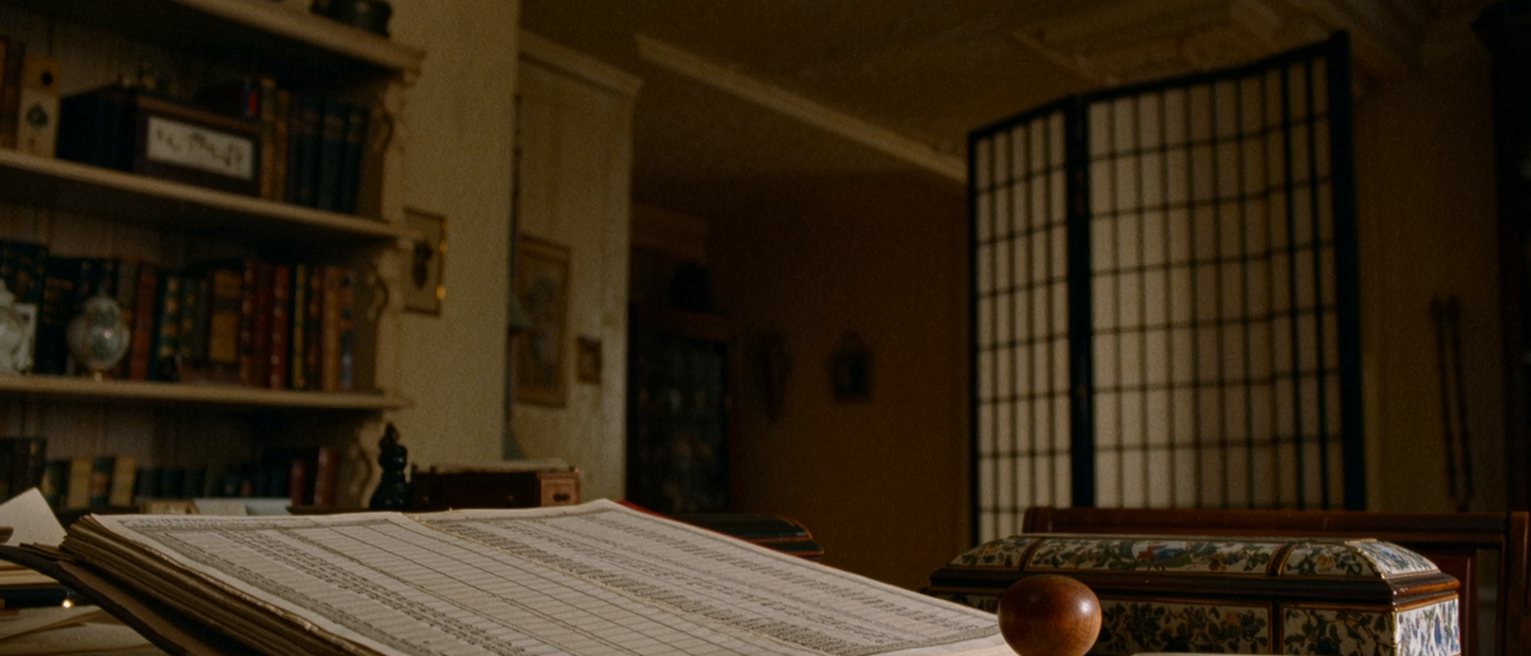

芸 and 色: a boundary enforced by registry, not by sentiment
The geisha profession emerged separately and later. Male 幇間 came first; female 芸者 appear around the middle of the eighteenth century. From early on they were a distinct trade, and — this is the part that surprises people — the distinction was enforced from the outside, by the authorities and by the licensed quarters themselves, for a commercial reason rather than a moral one.
The 遊郭 held a licensed monopoly on selling sex and did not want geisha competing with it. So geisha were registered through the 検番 system, their engagements were booked and logged through it, and they were barred from doing the courtesans’ business. The trade’s own phrase for the rule was 芸は売っても身は売らぬ — we sell art, not our bodies.
Two honest qualifications belong here. The rule was a rule, not a description of every life lived under it; individuals departed from it, and 旦那 patronage arrangements existed that were their own complicated thing. And geisha, too, were often placed as children under indenture, so the distinction was drawn inside a system of bonded labour rather than outside one. But the boundary itself was institutional and consequential. It had a registry, an enforcement mechanism, and a commercial constituency that wanted it kept.
1872, 1956, and the shape the law left behind
In 1872, in the aftermath of an international incident involving a Peruvian ship and its indentured passengers, the government issued the 芸娼妓解放令, nominally releasing indentured prostitutes and geisha from their contracts. The announcement was more decisive than the outcome: the system continued in a modified legal form, with the debt reappearing in new arrangements.
The real break came with the 売春防止法 of 1956, in full force from 1958, which abolished the licensed quarters. Alongside it the 風営法 of 1948 supplies the taxonomy that still governs adult businesses. The combination produced the structure Japan has now, and it is worth stating precisely because it is so often described vaguely: a wide range of paid adult services is lawful and regulated, while one specific act sits outside what the law permits to be sold.
The consequence is a culture in which the question this page opened with is not abstract. Large numbers of people, on both sides of the counter, have had to hold a clear working line between what is being sold and what is not, for decades, as an ordinary professional matter. Whether every business holds that line is a separate question and the honest answer is no. But the line is legible here in a way it is not in most places, and it was legible long before the current law drew it.
Why the history is useful rather than decorative
The useful conclusion is not about lineage. It is that the most common objection to a service like this one — that a boundary of this kind is obviously a fiction, since everybody knows what is really being bought — is an argument that has already been run, at scale, for centuries, in a country that built registries to enforce the answer.
That does not settle whether any particular house is honest. Nothing settles that from the outside, and history confers no character reference. What it does establish is that the category is a real category rather than an evasion invented last year, and that a reader here does not need it explained from first principles. She has grown up in a country where the distinction has an address.
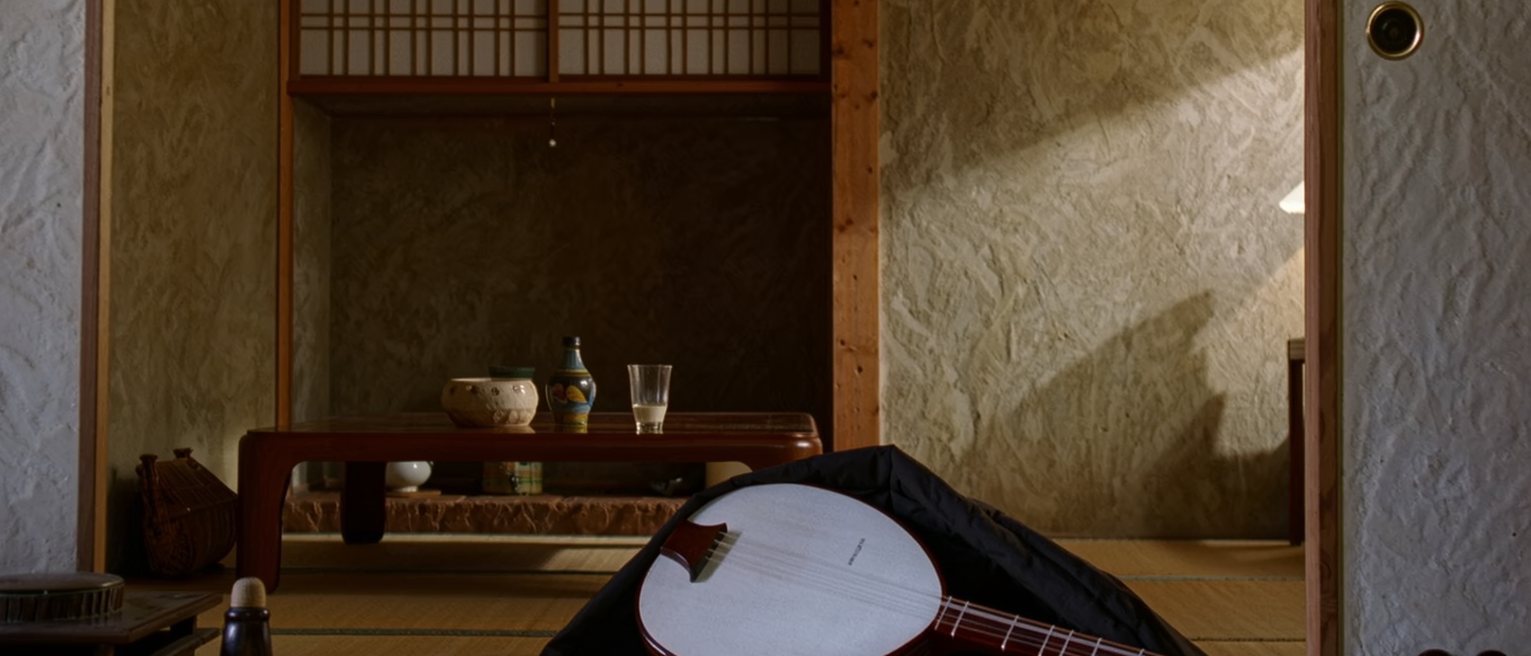
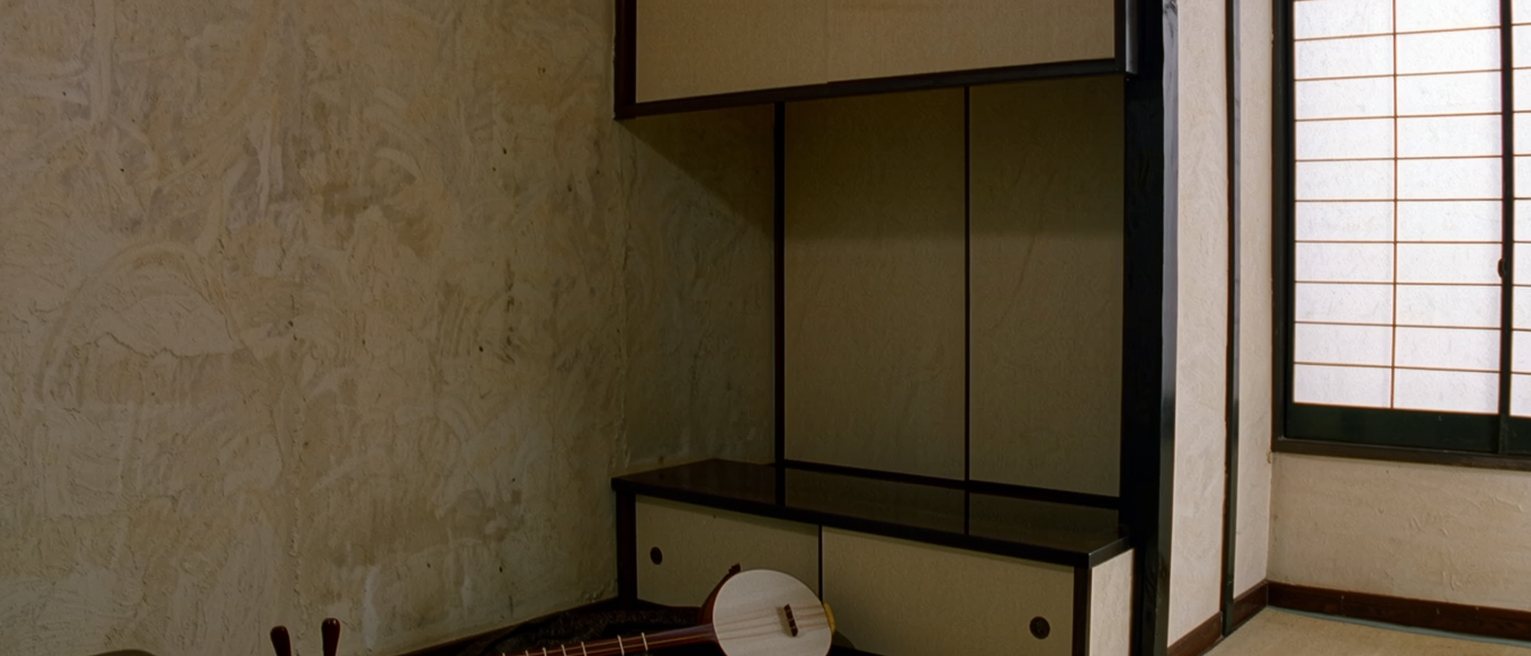
Where this house actually sits
Moonlight is not a 花街 and claims no descent from one. It has no 検番, no district, no lineage, no inherited repertoire, and it would be dishonest to borrow the aesthetic of institutions whose labour arrangements it would refuse. The history above is reported, not claimed.
What it does share with that history is one structural feature and it is the one this chamber keeps returning to: the scope is settled before the evening, in writing, and it is settled by the person receiving rather than by the house. The 検番 held the line from outside because the quarters wanted it held. Here there is no registry, so the written scope does that job — and it is written by the one person whose interest is unambiguous.
So the answer to the opening question is that the distinction is real, that Japan has held it longer and more formally than almost anywhere, and that holding it has never depended on anybody being naive about what else was for sale next door. It was a trade rule with a registry behind it. Today it is a written scope with a person behind it, which is a smaller instrument and, for once, one that belongs to the right side of the table.
Education without claiming authority.
Moonlight separates history, modern interpretation and service application rather than blurring them. Nothing on this page is a claim of lineage, initiation or clinical effect; each section is labelled with the lens it is written from.