WELLBEING
間: The Interval Is Not the Part Between the Things
Fifteen essays circled this using borrowed words: space, slowness, unhurriedness. Each describes the interval by what is absent from it. Japanese has a word that describes it by what it is, and every reader here used it this week without noticing.
Fifteen essays in this chamber have circled one idea using imported words. Space. Slowness. Unhurriedness. Non-goal-oriented. Each of them is a translation, and each is slightly wrong, because each describes the interval by what is absent from it. There is a Japanese word that describes it by what it is, and every reader here has used it this week without noticing.
間. And the reason it matters is not that it is beautiful. It is that a culture which has a positive word for the unfilled interval can build things out of it, and a culture that only has words like pause, gap and dead air cannot.
間 is a component, not a delay
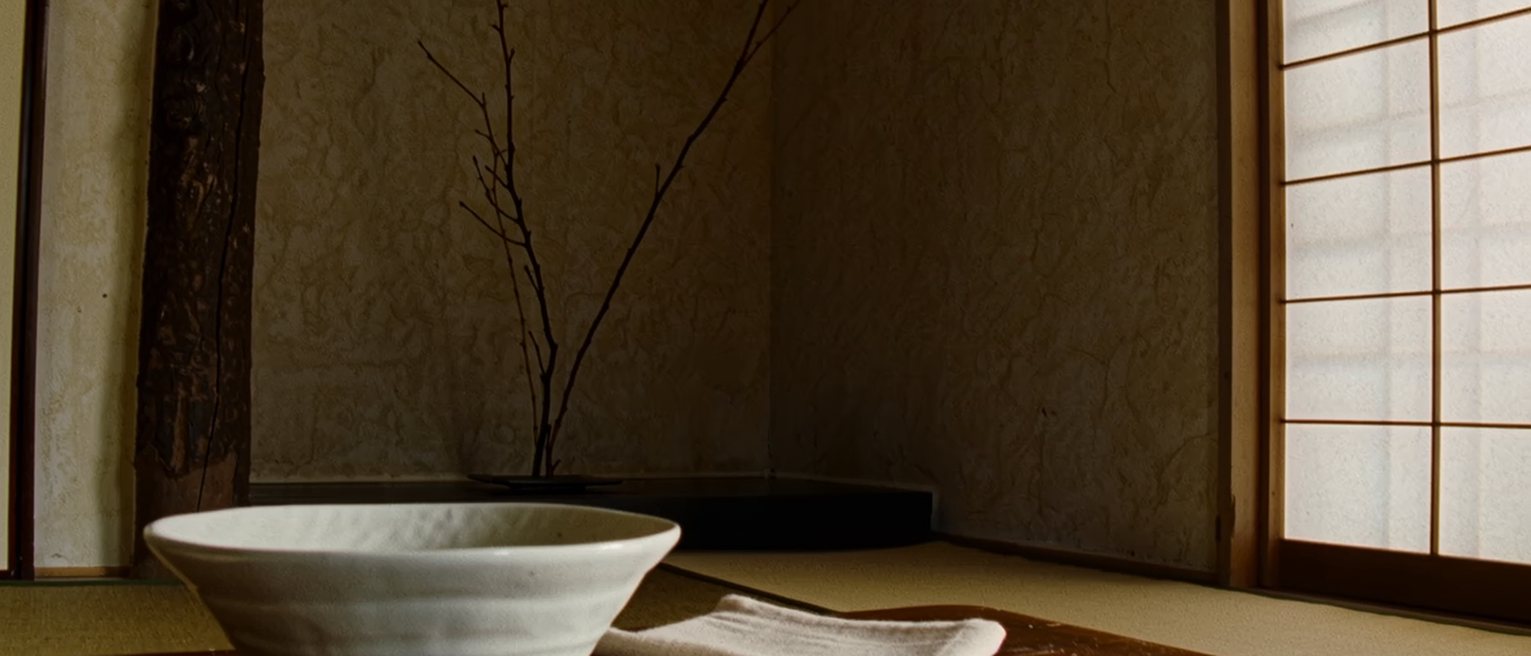
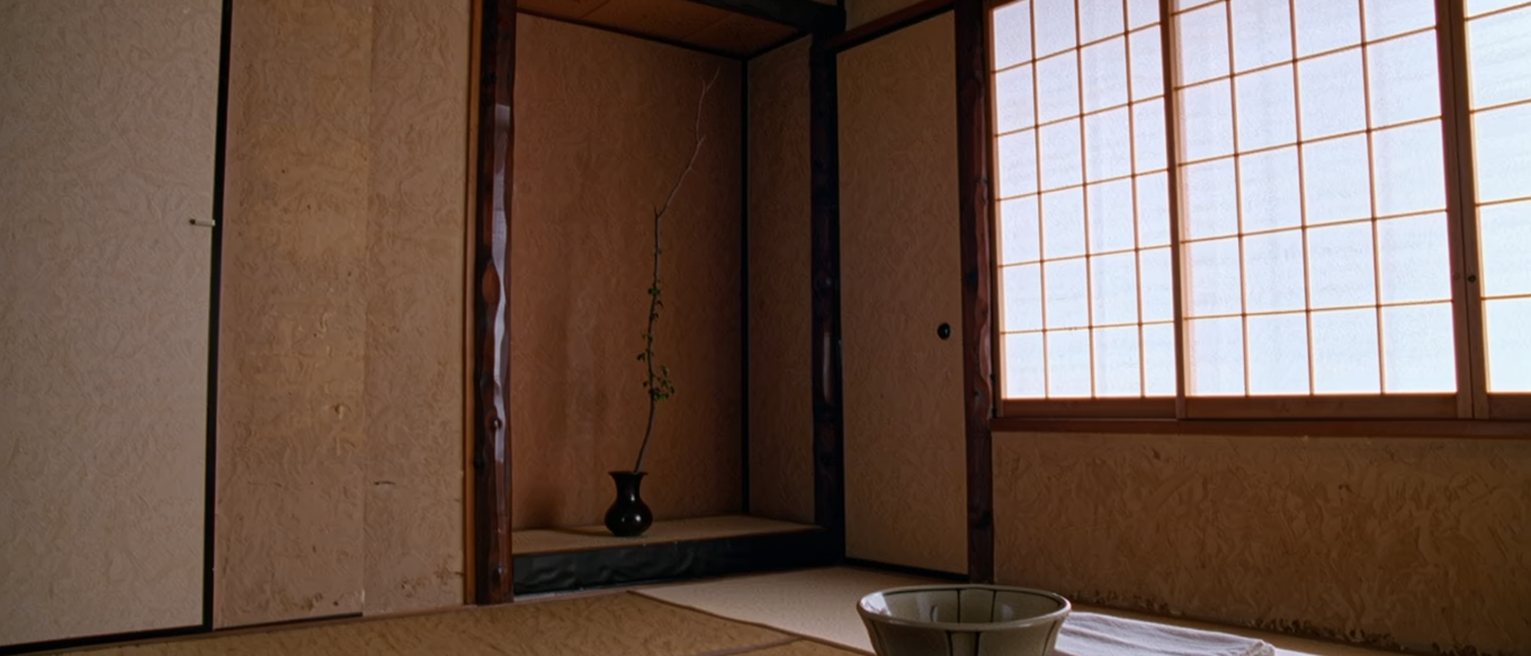
In 能, the interval between movements is not the time between the parts of the performance; it is part of the performance, and a master is judged on it. In 邦楽 the silence between notes carries weight rather than merely separating. In architecture, the room is the emptiness the structure makes available, not the walls. In painting and calligraphy, 余白 is composed as deliberately as the ink.
And it is not confined to the arts, which is the point. 間が悪い describes something whose timing was wrong, not something that was slow. 間を置く is a deliberate act. 間が持たない names the specific discomfort of an interval one cannot inhabit. These are ordinary words used by people with no interest in aesthetics, and they all treat the interval as a thing with properties rather than as an absence.
The distinction from slowness is worth being exact about, because they are constantly confused. Slow is a rate: the same task, performed at lower speed, still measured against the task. 間 is structural. The interval is not the delay between the things that matter. It is one of the things that matter, and removing it does not compress the experience — it produces a different and lesser one, in the way that a poem with the line breaks taken out is not a faster poem.
What happens to an encounter with no word for its intervals
The claim here is narrow and checkable, and is not the tired one about untranslatable words. English can of course describe an interval. What it lacks is a positive everyday term — one that names the interval as a contribution rather than as a suspension. Pause, gap, lull, dead air, silence: each is defined by the absence of something else, and two of them are explicitly faults.
Vocabulary of that shape has consequences. If every word available for the interval marks it as a lack, then an interval arriving in an encounter registers as something going wrong, and both people reach to fill it. Speech arrives to cover it. Movement arrives to cover it. The encounter becomes continuous, and continuity is experienced as competence.
Which is precisely the failure the rest of this chamber keeps describing from other directions. The interval is where sensation catches up. It is where responsive desire, which arrives after arousal rather than before it, has room to arrive at all. It is where interoception — registering what is happening inside — becomes possible, since it cannot happen while new input is still being produced. Fill every interval and you have built an encounter with no place in it for the thing you were trying to have.
Why everything in this market sells you something to do
A consequence of the missing word runs further than an individual encounter, and it explains something this library keeps noticing from other directions without having had a cause for it. Almost the entire global vocabulary for this field was assembled in English, in the second half of the twentieth century, by people working in a language whose only words for the interval mark it as a lack.
A vocabulary like that can only produce products made of actions. If the interval has no name as a contribution, nothing can be sold that consists of the interval, and so what gets sold is techniques — sequences, positions, breath patterns, things to do to somebody. That is the accelerator, in the terms the responsive-desire page uses, and it is why almost everything on offer works on the accelerator when the thing that changed was never the accelerator.
It also explains the strange abstractness of the one word that field did reach for. Presence had to be imported into the vocabulary as a quality of a person — something to cultivate, aspire to, be insufficiently possessed of — because the concrete version was unavailable. 間 is not a quality of anybody. It is a structural feature of an hour, and it can be put there or not put there, which makes it the kind of thing that can be arranged rather than achieved.
Which is the practical reason this page is worth a reader’s time rather than a nice observation about two languages. A quality you are told to cultivate has no completion and no test. A structural feature has both: it is either in the hour or it is not, and you can tell by the end of one.
The half of 間 that is not restful at all
A page that presented 間 to a Japanese reader purely as a gift would be doing something this library should be ashamed of: handing her own culture back to her with the difficult parts removed, in the tone foreigners use about it. So the other half, which she knows perfectly well and which no aesthetic account mentions.
The unfilled interval is also the medium in which a great deal of pressure is applied in this country, precisely because it carries meaning without anybody having said anything. The pause after a request that is not going to be granted. The silence in which a woman is expected to work out what is wanted and supply it unasked, so that the wanting never has to be admitted to. 空気を読む is not a separate phenomenon from 間; it is 間 being used to transmit an instruction that could not be given out loud, and which therefore cannot be refused out loud either.
Which means the word alone settles nothing, and a reader who felt a flicker of resistance somewhere in the last two sections was reading correctly. Two intervals can be physically identical — same length, same stillness, same two people — and be opposite experiences. In one, nothing is expected of her during it. In the other, something is expected and the interval is where she is supposed to work out what.
So the distinction this page actually needs is not between filled and unfilled. It is between an interval in which nothing is pending and an interval in which something is. Everything restful about 間 lives entirely in the first kind, and everything exhausting about Japanese social life lives in the second, and the aesthetic vocabulary covers both without distinguishing them — which is why a word she has owned since childhood has not, by itself, ever helped.
Why a silence is tiring, mechanically
The distinction above has a mechanism underneath it, and it is the same one this library found on its page about being looked at. What costs attention is not the silence. It is running a model of what the silence means to the other person — and a model has to keep running for exactly as long as the question is open.
So a silence whose meaning has been declared is cheap, and a silence whose meaning is open is expensive, and the length has almost nothing to do with it. Thirty seconds of not knowing whether he is bored costs more than ten minutes of knowing he is not. This is why "just relax into the pause" fails in the same way every other instruction of that shape fails: it asks her to stop running a process by adding one.
And it gives the only practical instruction this page has, which is for whoever is holding the room rather than for the reader. Declare the interval before it starts. Not elaborately — a sentence. We are not doing anything for a while. I am not waiting for anything. That single sentence converts an expensive interval into a cheap one, and it is the difference between an hour that restores somebody and an hour she spends politely working out what is required of her.
間 is trained, and it is judged
One more thing about the word, and it raises the bar on this house rather than lowering it. In the places 間 is a technical term — in 能, in 落語, in 邦楽, in 武道 — it is not a matter of leaving space. It is trained over years, it is specific to the moment, and it is judged. 間が悪い is an ordinary criticism, made confidently, by audiences who could not define 間 and can detect a failure of it instantly.
Which disposes of a comfortable misreading of everything above. Not filling a silence is not 間. An hour in which two people simply do less is not 間 either; it is an hour with less in it, and it can be every bit as effortful as a full one, for the reasons in the previous section. 間 is the placement of an interval by somebody who knows where it goes, and the difference is as audible as the difference between a rest in music and a player who has lost their place.
So when this house says it is built on 間, that is a claim about skill, and claims about skill are checkable in the ordinary way — by whether the thing works, repeatedly, for the person it was for. It is not a claim to have inherited anything, and the word is doing no work here that the description could not do. If an hour has bad 間, a Japanese guest will know within ten minutes, will not say so, and will not come back. That is a more exacting standard than any assurance we could print, and it is the right one.
What an unhurried hour actually buys
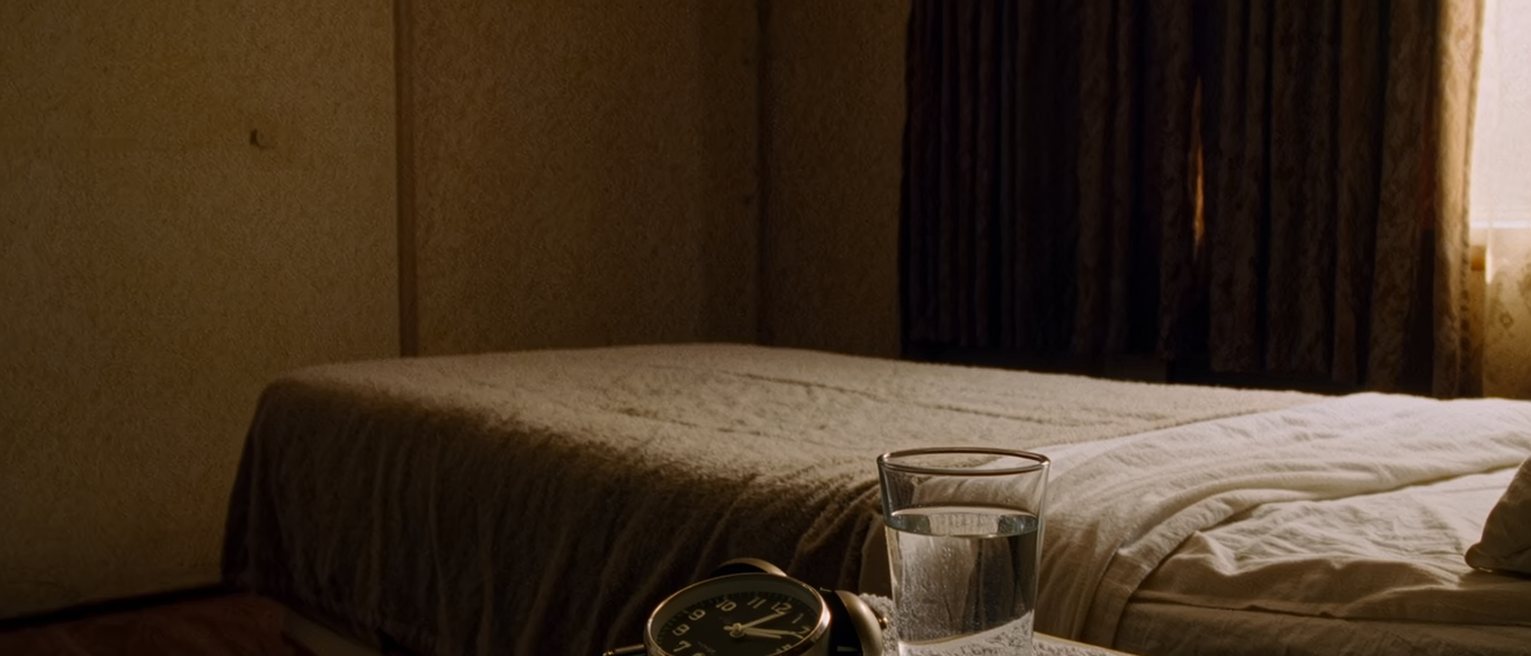
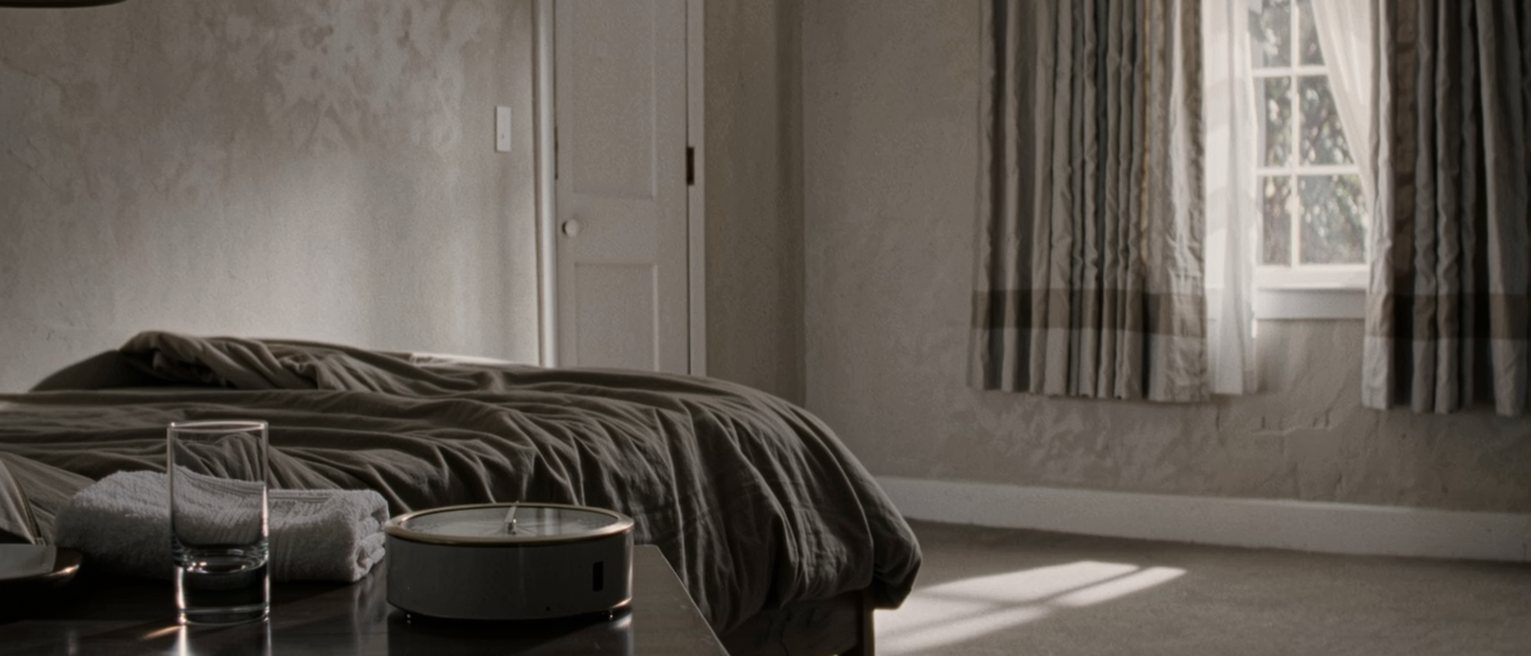
People assume that paying for a longer appointment buys more minutes. It does, and that is not the valuable part. What it buys is the removal of the clock as a participant.
A clock in the room is not neutral furniture. It is a second presence with an opinion, and it converts every interval into a cost. Under its supervision a silence is not a silence; it is a silence that is using up something. The monitoring described elsewhere in this chamber has one more thing to attend to, and the interval becomes the most expensive part of the hour rather than the most useful.
So the design question is not how long but whether the length is felt. An hour with a visible ending produces a different interior experience from an hour whose ending was settled in advance and does not need watching. The second one can contain 間. The first cannot, regardless of duration, because somebody in the room is counting.
How to ask for it, in a language that has the word
Everything above is only worth having if it can be said to somebody, and here a Japanese reader is in a position an English-speaking one is not. She is not importing a concept and defending it. She has the word, the listener has the word, and neither of them has to be persuaded that the interval is a real thing before the request can be made.
The trap is reaching for ゆっくり instead, which is the word that comes first and asks for the wrong thing. ゆっくり is a rate. It gets heard as a request to do the same things more slowly, which produces an hour that is still measured against a task and is frequently worse — the same expectations, held longer. 間を置く and 間がある方がいい are structural. They ask for something to be there rather than for something to be slower.
And the second half of the request is the one from two sections above, which is what makes it work: say what is not pending. 急がなくていい。何もしなくていい。 A person who has been told that nothing is expected during an interval is not running the model, and that is the entire difference between the restful kind and the exhausting kind. Stated that plainly it sounds too small to be worth saying, which is exactly why it goes unsaid for years.
None of which is only about a room with somebody in it, and it would be a narrow page that left it there. The intervals in an ordinary week are mostly the expensive kind — a Sunday afternoon with nothing scheduled and everybody in the house free to want something is not rest, because nothing has been declared and the model runs all afternoon. The same sentence works at home, said outward rather than received: for the next hour I am not doing anything. It is not a request for permission and it does not need granting. It is a declaration that closes a question, and it is available to anybody, on any Sunday, at no cost but the awkwardness of saying it the first time.
What this house is, in one Japanese word
Everything this chamber has said in borrowed vocabulary can be said here in one: Moonlight sells 間. Not techniques, not intensity, not transformation. Intervals that are not being counted, inside a scope settled before the evening begins, with nothing arriving to fill them and nobody treating their arrival as a failure.
Several arrangements on this site make sense only in this light, and are otherwise mistaken for generosity. The ending settled in advance exists so that nobody has to watch for it. The aftercare window is held longer than the appointment so that the last interval is not the one under pressure. The absence of any assessment removes the reason to fill a silence, since a silence only needs covering if someone might be reading it.
And it is worth saying plainly that this is a Japanese idea, arrived at here rather than imported. The chamber spent fifteen essays reaching for foreign vocabulary to describe something the reader’s own language had already named, with precision, centuries ago.
If one thing from this chamber is worth keeping, keep this. The interval is not the part between the things. In 能 it is where the performance lives; in a room it is where sensation catches up and where wanting, for many people, first becomes audible. A culture that calls it dead air will keep filling it, and will keep wondering why the encounter felt like it was happening slightly out of reach. You have a better word. It was always yours.
Education without claiming authority.
Moonlight separates history, modern interpretation and service application rather than blurring them. Nothing on this page is a claim of lineage, initiation or clinical effect; each section is labelled with the lens it is written from.
Terms used on this page
Continue reading
A quiet next step
The reading letter
Twice a week. Three pieces, then one. Chosen from what you ask for, and nothing is sold to you.