Cinema
Love Letter and What an Old Love Returns to the Person You Are Now
A woman writes to the address of a man who has been dead for two years, expecting nothing, and gets a reply. What comes back is not what she sent, and it dismantles the version of him she had been keeping. The film is usually received as a tender account of memory. It is better read as a study of whether a person is still able to be changed by something she did not choose.
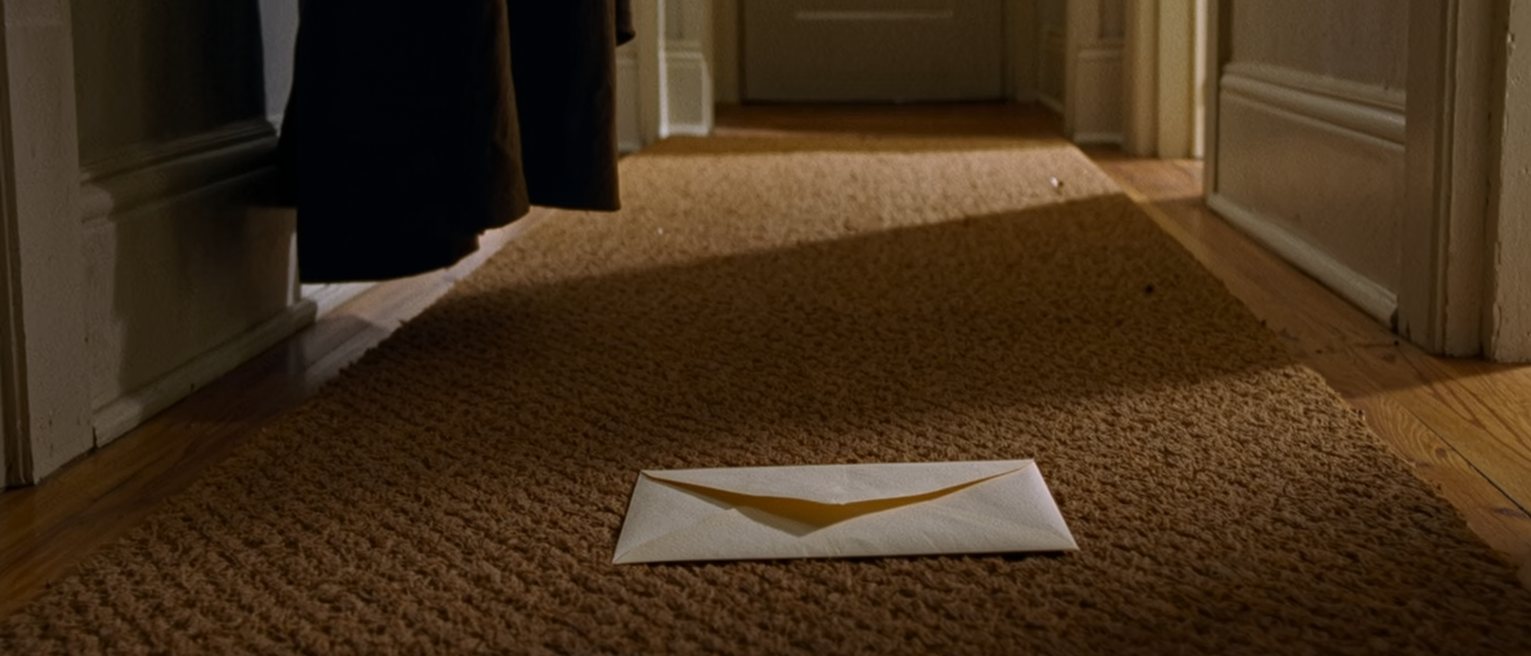
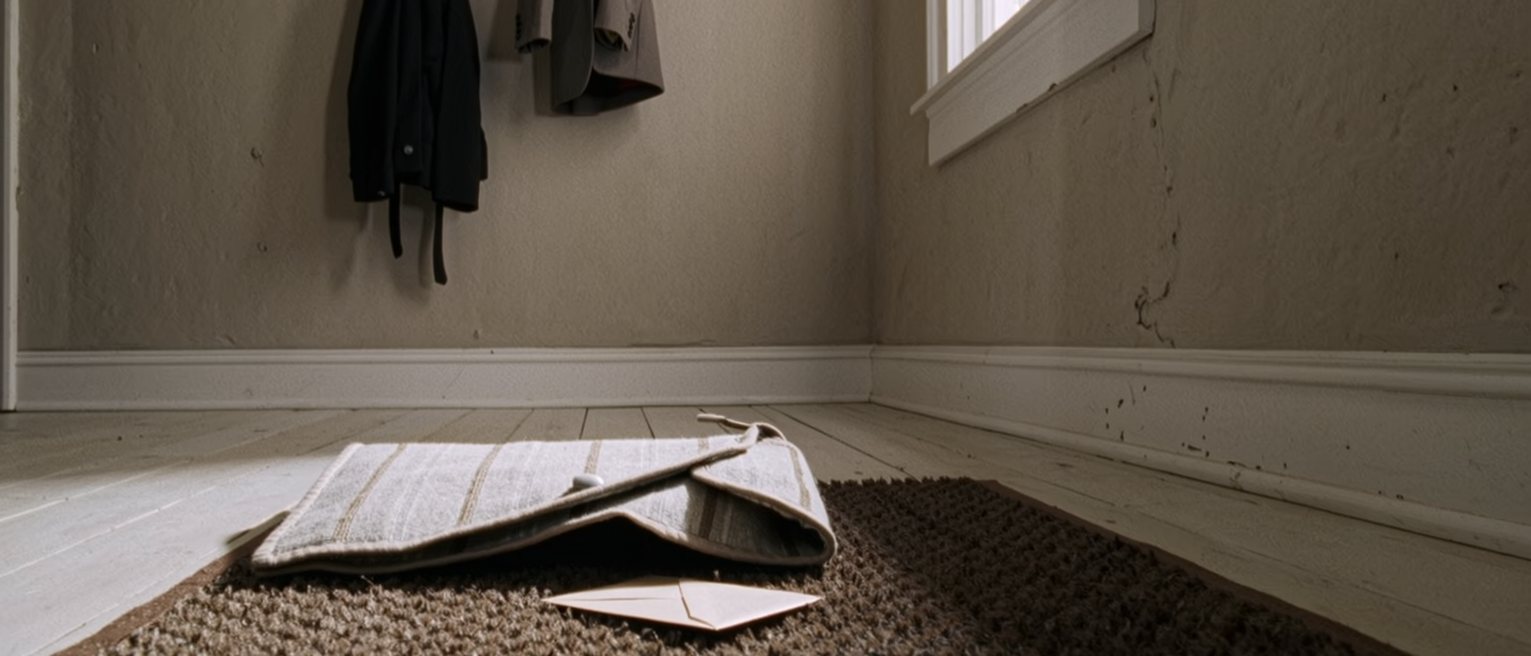
Two years after her fiancé dies in the mountains, a woman finds his old school address in a yearbook at his memorial. She copies it out and writes to it — not as a ritual exactly, and not expecting anything, since the address belongs to a house that no longer exists at a place that has been built over.
She gets a reply. It comes from a woman who happens to have the same name as the dead man, who went to middle school with him, and who is also — the film establishes this by casting one actor in both roles — visibly his fiancée’s double.
What follows is a correspondence between two strangers about a third person, in which each of them learns something about their own life from somebody who had no intention of telling them.
The month’s theme is ageing, beauty and desire, and the sentence underneath it is: I do not want my youth back, I want to remain capable of feeling.
Which turns out to be exactly what the film is testing, in two women, under the same conditions.
Two women, opposite operations on the past
It is worth separating what each of them is actually doing, because the film is usually discussed as though they were doing the same thing.
The fiancée is maintaining. Her letters are addressed to a dead man’s address, and the point of them is continuity — not investigation. She has a version of him, assembled over the years they had, and writing to that address is a way of keeping the relationship in operation after the other party has stopped participating.
The namesake is receiving. She is handed, unasked and in instalments, a past she did not know she had: that a boy she barely registered was in love with her throughout their school years, and that she has spent decades as a character in somebody else’s story without being informed.
So one woman is pushing into the past and one is being pushed out of it, and the film’s structure brings them to the same place. Both of them end the film holding information nobody intended them to have, about a feeling that was never stated to them, belonging to somebody who cannot be consulted.
Which is where the film’s actual claim sits. The past does not return what you put into it. The fiancée writes letters of continuity and receives a demolition. The namesake asks for nothing and receives the largest fact about her own youth. Neither outcome was available to be chosen, and neither woman has any control over what arrives.
What began it is not what sustained it
The revelation that does the damage is the resemblance. The fiancée learns, partway through, that the man she was going to marry first approached her because she looked like a girl he had known at fourteen.
This chamber has written about a familiar face before, in an essay about a different film, and argued that recognition functions as a shortcut which lets two people skip the work of beginning. That is not the move here, and the distinction matters.
Here the question is retrospective and sharper: does an origin like that void what followed? If she was approached as a copy, was she ever loved as herself?
The film’s answer is no, it does not void it, and the reason is in the chronology rather than in sentiment. The resemblance got him across a room. It did not produce the years afterwards. It did not make him stay, or propose, or be the particular person he was with her specifically, and it supplied none of the accumulated history that she is now mourning. Whatever started it had stopped being the operative thing long before.
Which is worth extracting as a general proposition, because it runs against a very strong intuition. The origin of an attachment has almost no authority over its reality. People meet through mistakes, resemblances, proximity, boredom, a wrong seat on a train, somebody else’s party — and none of that determines what the relationship then became, because what it became was made afterwards, by two people, out of material the origin did not supply.
And the intuition it corrects is a destructive one. A person who discovers an unflattering origin story frequently re-reads the entire relationship through it and concludes the whole thing was counterfeit. That re-reading is almost always wrong, and the film is unusually clear about why: the evidence of what the relationship was is in the years, not in the first thirty seconds.
The library cards, and the most beautiful wasted want available
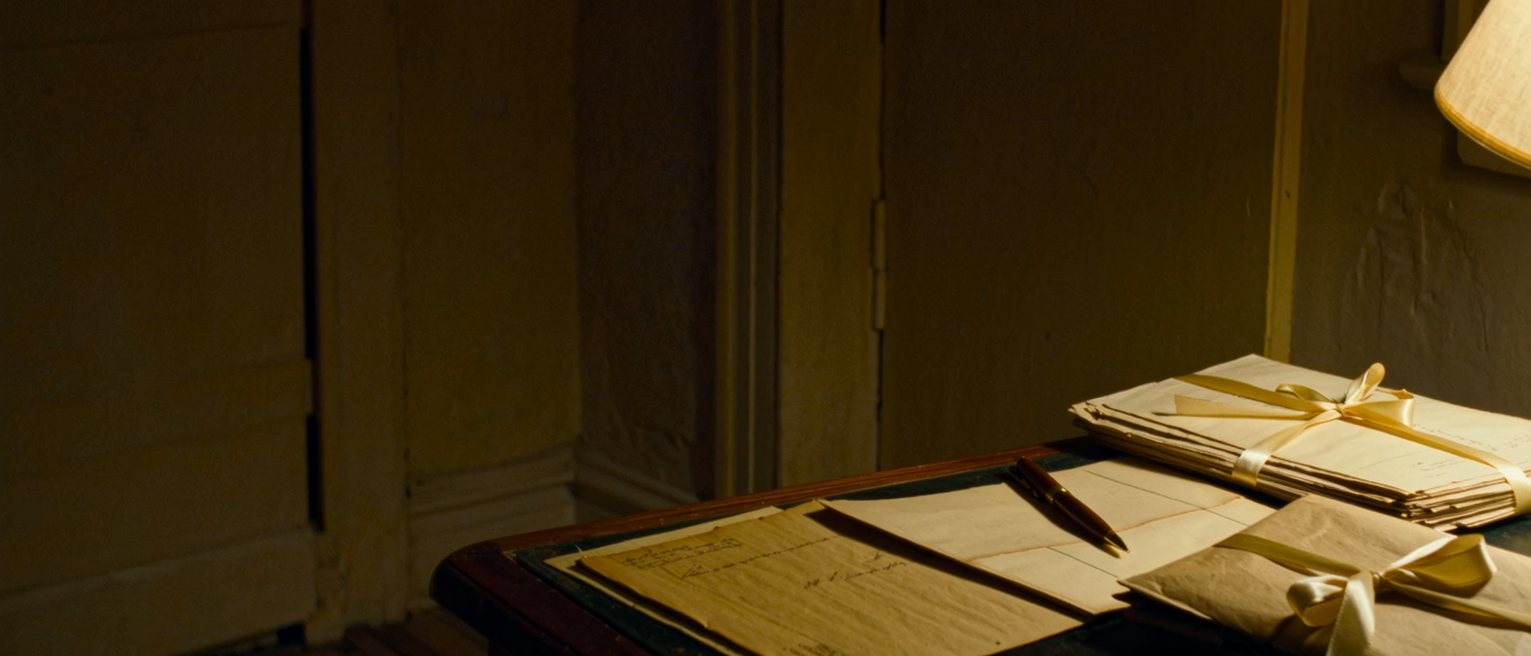
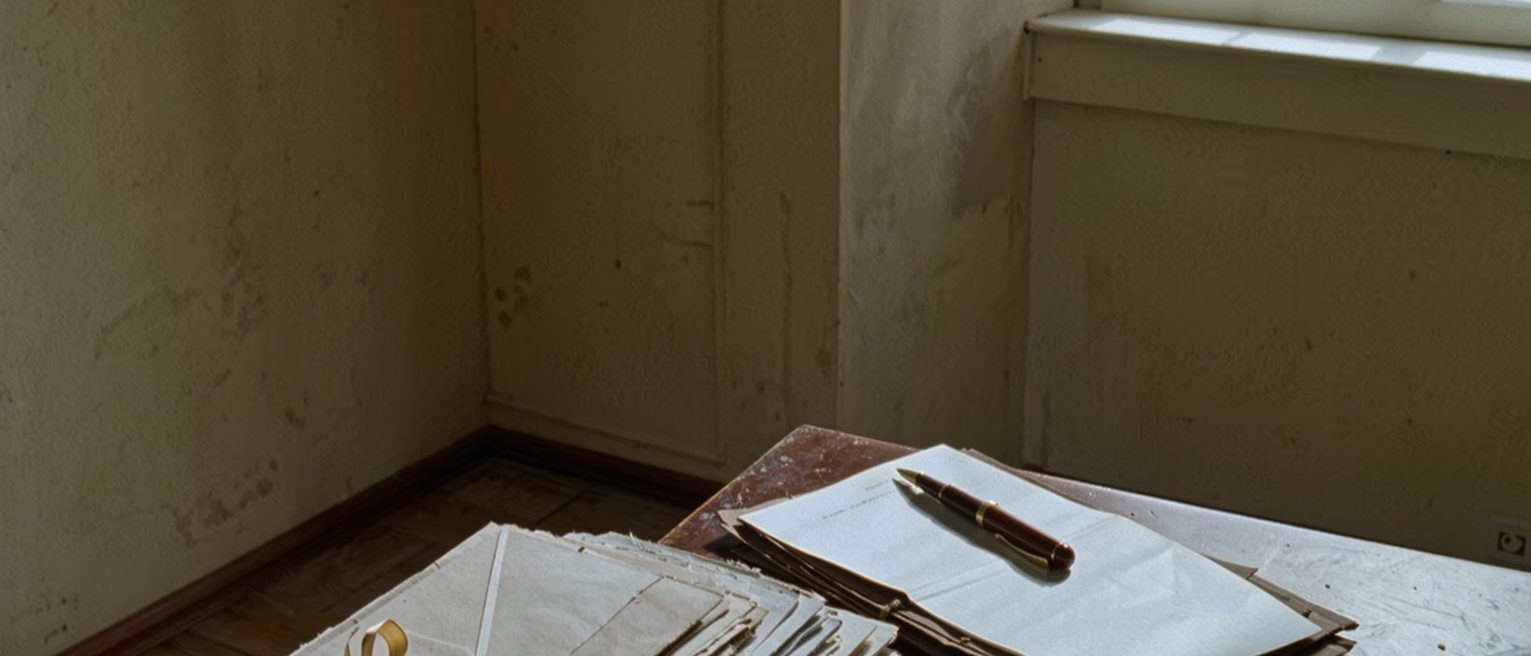
The way the boy loved the girl is the most famous thing in the film, and it is worth describing precisely. He borrowed books from the school library that nobody else borrowed, and wrote her name on the lending cards — the same name as his own, which was also the joke they were both teased with. A private notation, in obscure volumes, in a system that would only ever be consulted by chance.
The film treats it tenderly and it deserves the tenderness. It is a genuinely beautiful invention, both by the character and by the director: a love expressed completely and addressed to nobody, in handwriting, in a place where it could only be found by accident.
And this Library has to say the other half, because saying only the first half would be sentimental in a way the rest of this chamber has earned the right not to be.
He never told her. She did not know. The entire feeling was conducted in a medium that required no reply and was never meant to be read, and the consequence is not a poignant secret — it is that nothing happened. Two people who wanted each other spent three years in the same rooms and neither of them ever said a sentence, and then he met somebody who resembled her and married a version of the same want, and then he died.
So the honest description is that this is the most beautiful possible depiction of a completely wasted want. The beauty is real and it is not an argument for the method. A feeling that is fully expressed and addressed to nobody is, from the other person’s side, indistinguishable from a feeling that did not exist.
And the film makes the cost exact. The information reaches her at the very end, from schoolchildren, about a man who has been dead for years. That is what a love conducted in private notation delivers: a complete and perfectly preserved message, arriving three decades late, to somebody who can no longer do anything with it.
Are you well: the one direct sentence in the film
Almost everything in this film is mediated. Letters. Lending cards. A correspondence about somebody who is not in it. Two strangers relaying a dead man between them. Intermediaries, notation, handwriting, post.
There is exactly one moment of direct address, and it is the scene everybody remembers. The fiancée stands in front of the mountain where he died and shouts at it, asking whether he is well.
Consider the structure of that. In a film made entirely of indirect communication, the single unmediated utterance — spoken aloud, addressed to the person it concerns, with nothing in between — is addressed to somebody who cannot hear it.
It is not a flourish. It is the film’s own verdict on its method. Everybody in it is communicating beautifully and nobody is reaching anybody, and the one time a person says something straight out loud to the individual it is about, the individual is dead. The film does not state this as a criticism, and it does not have to: it stages it.
And it is worth noticing what the sentence itself is. Not a declaration, not an account of her grief, not anything about herself. She asks how he is. The first and only direct address in the film is a question about the other person, shouted into snow, by somebody who knows the answer is nothing.
Ageing is usually a fear about being looked at
The month is ageing, beauty and desire, and both women in this film are young, so the connection has to be made rather than found.
Start with what the fear of ageing usually consists of, stated plainly. It is rarely a fear of death and not often a fear of incapacity. For a great many women it is a fear of being looked at less — of moving out of the category of people whose appearance is treated as information, of becoming someone a room does not register.
That fear is not irrational, because the thing it anticipates is real and this chamber has written about why: where the licensed route to feeling vivid runs through being wanted, losing access to being looked at means losing the supply.
And the month’s private sentence refuses the whole frame, which is why it is the best sentence in this year of the atlas. I do not want my youth back. I want to remain capable of feeling. That relocates the anxiety entirely — from being desirable to being able to respond, from what arrives at you to what you can still do with it.
Which is the axis this film is actually measured on. Nothing about either woman’s appearance matters to the story, despite the plot turning on a resemblance. What matters at the end is whether anything still reaches them: whether a letter from a stranger can rearrange a person, whether a fact about a dead boy can land thirty years late and still be felt.
And the fiancée shouting at a mountain is the opposite of a beautiful image. She is not being looked at by anybody. She is in the cold, making an undignified noise at a rock face, and it is the most alive thing in the film — because it is evidence of somebody still able to be moved by something that cannot possibly answer.
What the film is not evidence for
It is routinely used as proof that first love is the real one, the unrepeatable one, the standard everything later falls short of. That reading is backwards and the film does not support it.
Look at what the two loves actually produced. The first love produced nothing: no conversation, no relationship, no knowledge on the other side that it existed. The later love produced years, a life, a plan, a person who is still in the world carrying it and cannot put it down. Whatever is being mourned in this film, it is not the library cards.
The film is also not saying the fiancée needs to let go, and the essay is not going to say it either. Nothing in it presents her correspondence as pathological or her continuing attachment as a failure of progress, and the vocabulary of moving on does not appear in it anywhere.
Nor is it an argument that the unsaid is more beautiful than the said. That reading is available from the cards and it is the one the film spends its final scene disproving, by showing exactly what an unsaid thing costs when it finally arrives.
The claim is narrower. An old love returns something, but not the thing you would have selected, and the only variable within anybody’s control is whether they are still in a condition to receive it.
What to do with the month’s sentence
I do not want my youth back. I want to remain capable of feeling.
Three things, and the first is about where to put the worry.
Stop auditing your desirability and start auditing your responsiveness. They are different measurements and only one of them is yours. The question is not whether a room registers you; it is when something last landed — a piece of music, a text, a body, a fact about your own past — and whether anything that arrives now gets through or is processed and filed.
Second, reconsider whatever unflattering origin story you may be carrying. If you have concluded that a relationship was counterfeit because of how it began — you were a rebound, a resemblance, a convenience, the one who was there — the chronology is almost certainly being misread. What began something is not what sustained it, and the evidence of what it was is in the years.
Third, and this is the film’s own lesson against its own aesthetic: say the thing to the living. A perfectly expressed feeling addressed to nobody is identical, from the outside, to no feeling at all, and the delivery date for everything conducted in private notation is always too late.
None of which requires being young, and that is the point of the sentence. Responsiveness is not a feature of youth. It is a capacity that is lost through disuse, and disuse is a separate process from ageing that happens to run alongside it.
Limits
The film is from 1995, written and directed by Iwai Shunji. Credits, cast and current availability should be verified at the publication gate, per the atlas entry’s note on external works.
The plot is described in outline and no dialogue is quoted, including the film’s most famous line, which is characterised rather than reproduced. The casting of one actor in both principal roles is described as a fact about the film because the resemblance is load-bearing, and the performer is not named.
The library card sequence and the volume involved in the final scene are characterised rather than identified with certainty; the particulars should be checked against the film at the publication gate.
Characters are described by their relation to the dead man rather than named.
The central reading — that the past returns something nobody designed and the only variable is whether a person can still be changed by it — is this essay’s interpretation. The film dramatises it and does not state it.
The proposition that the origin of an attachment has little authority over its reality is this Library’s argument, offered as a corrective to a common re-reading. It is not a claim that origins never matter, and a reader may reasonably hold that some origins do contaminate what follows.
And the extension to the month’s theme is this Library’s, since both principals are young and the film contains no ageing. Nothing here is a clinical claim: grief is not diagnosed, this house treats nothing, and no therapeutic effect is asserted.
Still able to be reached
What stays from this film is not the snow and not the cards. It is the fact that both women are rearranged by information they did not ask for, could not have obtained deliberately, and were not the intended recipients of.
That is an uncomfortable model of how anything important arrives, and it is accurate. Almost nothing that has significantly altered a person was scheduled by them. It came through a stranger, a coincidence, a document nobody meant them to read, a sentence somebody said without knowing what it would do.
Which means the only thing actually worth maintaining is the capacity to be altered — and that capacity is not a mood, a temperament or a feature of being young. It is a condition that decays when nothing is permitted to land, and almost nothing in an ordinary adult week is permitted to land, because a life organised around discharging obligations well has every incoming thing pre-sorted before it reaches anybody.
The fiancée at the mountain is the film’s answer and it is not a dignified one. Undefended, audible, asking a question of something that cannot reply. She is not beautiful in that scene and she is not composed, and she is the most alive person in the film.
That is what an evening at Moonlight is arranged for, and this month is the reason to put it this way. Not youth and not being looked at: a stated number of hours with a beginning and an end, terms set in advance and set by you, somebody present and attentive with no prior version of you to maintain — and nothing to do in it except find out whether something still lands. Nothing is inferred from your silence, nothing accrues afterwards, and nobody is assessing how you look while it happens.