Around the World
Whole With a History
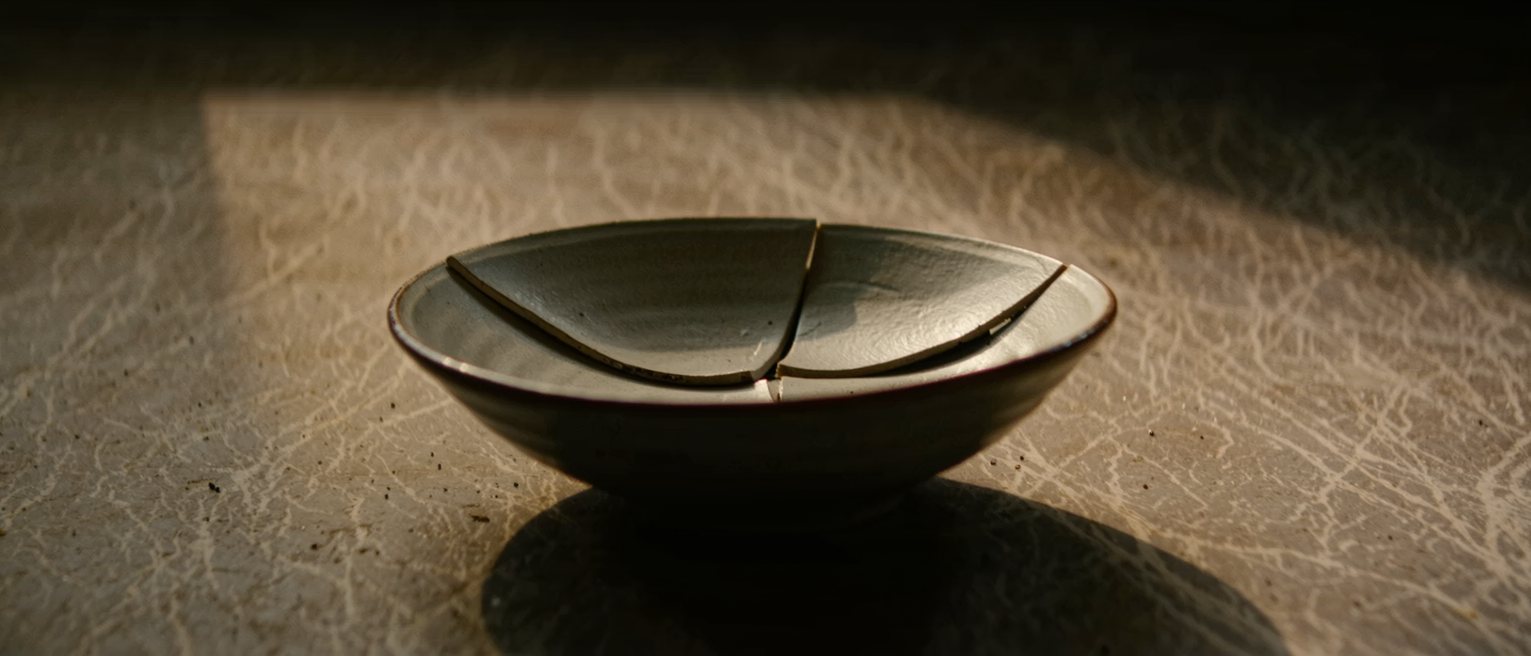
Two stories are on offer to a woman who has been hurt: that she is damaged and must be repaired, or that she is fine and should stop dwelling. Both are false, and both ask her to be something other than what she is — which is a whole person who has a history.
This essay is about something a great many readers will be carrying, so we are going to be careful and say the important things first rather than at the end.
If you are looking for treatment, treatment exists, it works, and it is not this. Trauma-focused therapies have a real evidence base and are delivered by trained clinicians. Nothing in this essay is a substitute for one, nothing Moonlight offers is a substitute for one, and if you finish reading and decide to see somebody qualified, that is the better outcome and we would rather say so plainly than be useful to ourselves.
What this essay is about is narrower and belongs to this chamber: the stories different societies tell a person about what happened to her, which ones travel, and which ones do damage.
And it is about one sentence this house built an essay around, because the man who runs it thinks it is the true one. Healing is not becoming who you were before. It is becoming someone who can carry the past without letting it write every future sentence.
How common, stated once and then left alone
There is a reason to state the scale once: a woman who believes this happened only to her carries it differently from a woman who knows it did not.
The World Health Organization estimates that roughly one in three women worldwide has experienced physical or sexual violence, most commonly from an intimate partner. That figure is assembled from many national studies with varying methods, and it is an estimate rather than a count. It is also not small in any country in the set.
Japan runs its own periodic government survey on violence between men and women. It consistently finds that a substantial minority of women report physical violence from a partner, and a smaller but far from negligible share report forced sexual intercourse. Reporting rates to police and to anyone at all are low, which every such survey also finds, and which means the measured figure is a floor rather than a level.
We are not going to repeat numbers through this essay. The point of stating them once is to establish a single thing and then move on: if this is in your history, you are not unusual, you are not a category of person, and the silence around it is not evidence that it is rare. It is evidence that it is unspoken.
The two stories, and what each one costs
Almost everywhere, a woman who has been hurt is handed one of two narratives, and the choice between them is presented as the whole of the available thinking.
The first is the repair story. Something broke. You are damaged. You will need to be fixed, and until you are fixed, your relationships, your desire and your judgement are all suspect — yours and other people’s view of them. This story has the advantage of taking the harm seriously. Its cost is that it makes damage the centre of her identity and puts wholeness in the future, conditional on work she may never be told she has finished.
The second is the denial story. It was a long time ago. Other people have had worse. You seem fine. Dwelling makes it worse. This one is common in societies that value endurance, and it has the advantage of not defining her by the worst thing that happened. Its cost is that it requires her to keep the thing sealed, and sealing is expensive in a way that shows up somewhere else — in what her body does when she is touched unexpectedly, in what she cannot ask for, in a general flatness she cannot account for.
Notice what the two have in common, because it is the actual subject of this essay. Both tell her she is not currently a whole person. One says she is broken and will be whole later. The other says she would be whole if she stopped thinking about it. Neither offers the possibility that she is whole now, and has a history.
What the body does, which is not a character flaw
One piece of information changes how many women read their own past, and it is not widely enough known.
Under sexual threat, a very common physiological response is immobility — freezing, being unable to move or speak, a body that will not do what the person wants it to do. This is involuntary. It is well documented in the research literature, and it is not a decision, a consent, or a sign of anything about the person it happens to.
The Spain essay in this chamber described a legal system that treated the absence of resistance as legally meaningful, and a country that took several years and a supreme court to correct it. The private version of that same error is more common and does more damage: a woman who did not fight concludes something about herself, and carries that conclusion for decades.
There is a second piece worth having. A body that learned, in a specific situation, that reporting a problem produced nothing, can generalise that lesson. Sensation gets turned down. Desire becomes hard to locate. That is not damage to her capacity for pleasure; it is a protective adaptation that made sense at the time and has outlived the situation it was for.
We state both of these carefully. They are patterns described in research, not diagnoses, and a reader recognising herself in one is not thereby diagnosed with anything. What they are for is narrower: to remove a specific and very common self-accusation, which is that her body’s behaviour said something about her willingness or her worth. It did not. It was doing something automatic.
Different societies, different scripts
This is a cross-border chamber, so here is what actually varies, and it is the narration rather than the experience.
The United States built a public recovery vocabulary — memoir, disclosure, survivor as an identity one can claim, therapy as an ordinary thing to have. That has genuinely helped enormous numbers of people, and it has a cost that is less discussed: when disclosure becomes the expected route, a woman who does not want to tell anybody is read as being in denial, and the pressure to narrate becomes its own obligation.
Nordic societies institutionalised the response — services, funding, and treatment inside a health system rather than paid for privately. That removes the access problem and does not remove the private one, which is what happens between two people in a bedroom when neither has language for it.
Spain, as this chamber described, built a counting apparatus and a public sentence. The absence of resistance is not consent went from a protest chant to something ordinary people say. That is a change in the available vocabulary, and vocabulary is the thing most portable between societies.
And Japan has the specific combination this chamber keeps returning to: a strong cultural value placed on endurance and on not burdening others, very low disclosure rates, a legal definition that only stopped turning on force in 2023, and almost no ordinary conversational register in which a woman could mention any of this to a friend without it becoming an event.
The result is not that Japanese women experience more or less. It is that they narrate less, and the absence of narration is frequently mistaken — by others and by themselves — for the absence of the thing.
Against growth as a requirement
There is a research literature on post-traumatic growth: the finding that some people report, afterwards, changes they value — closer relationships, changed priorities, a sense of their own strength.
The finding is real and we are not disputing it. What we want to say is what happens when it escapes the literature.
Offered as a possibility, it is a comfort to some people. Offered as an expectation, it is a new demand: not only did this happen to you, but you are now required to have become wiser for it, and if you have not, you have failed at the aftermath as well as having suffered the event.
Nobody owes anybody growth. A woman is permitted to conclude that what happened to her was simply bad, that it took years she does not get back, that she learned nothing from it worth having, and that she would undo it if she could. That is an allowed position. It is, in fact, the position most consistent with taking the harm seriously.
The same applies to forgiveness, which is frequently prescribed as a stage. Some people find it useful. It is not owed, it is not a marker of progress, and being told it is can add a second failure to the first.
Whole with a history
Here is the alternative to both available stories, stated as plainly as we can manage.
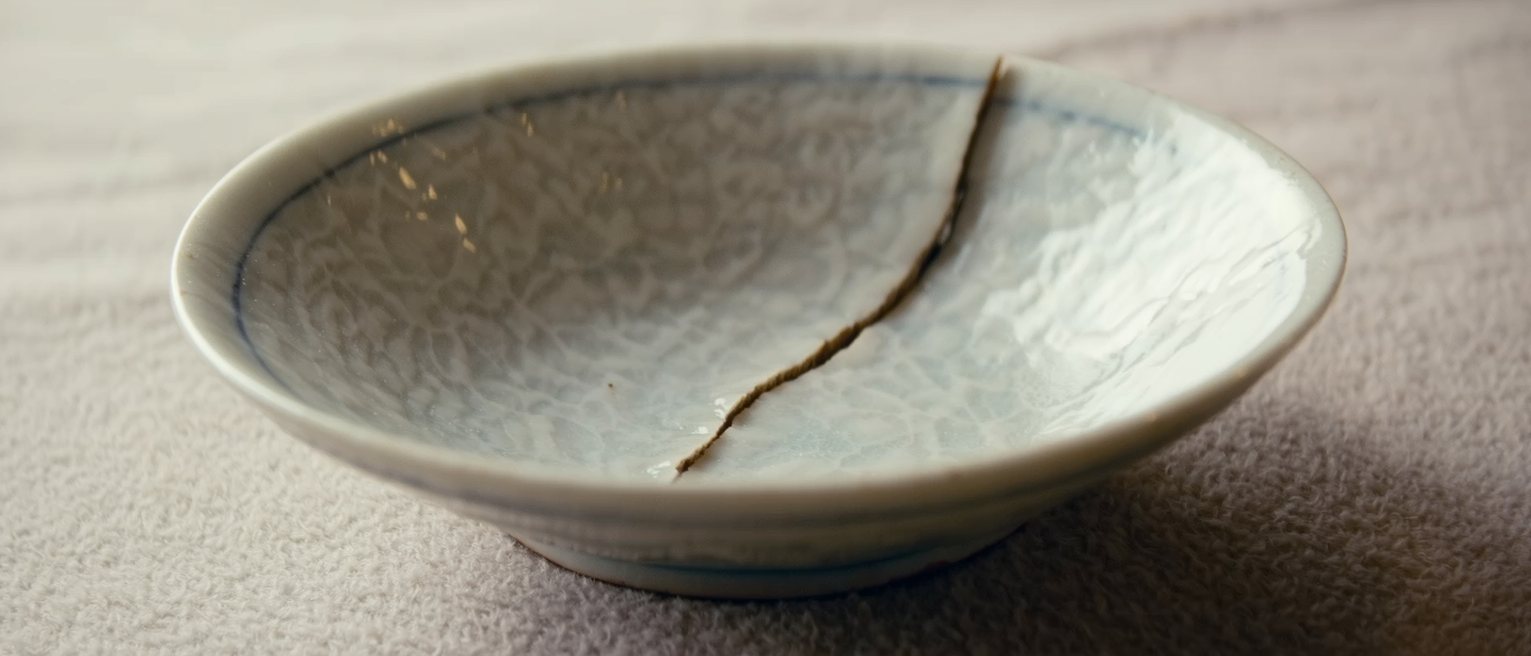
You are not a damaged version of a person who would otherwise exist. There is no undamaged you waiting somewhere to be restored, and no amount of work produces her, because she was never a real person — she is a hypothetical, constructed by subtracting your history from you, and history does not subtract.
What you are is a whole person who has a history. The history is real and it is part of the account. It affects what you flinch at, what you need, what you cannot do yet and what costs you more than it costs other people. None of that makes you partial. A person with a history is not a fraction of a person without one.
This is not a softer way of saying it does not matter. It matters enormously; that is why it takes up so much room. It is a claim about what kind of thing you are while it matters.
And it has a practical consequence, which is why it is worth the argument. If wholeness is in the future, conditional on repair, then everything you might want now — to be touched, to be wanted, to enjoy something, to ask for something — has to wait for a certification nobody is going to issue. If you are whole now, then those things are available now, at whatever scale you can currently manage, and the history comes with you rather than disqualifying you.
Healing is not becoming who you were before. It is becoming someone who can carry the past without letting it write every future sentence.


Our take
The thing this chamber can contribute is the vocabulary, because vocabulary is what travels between societies and almost everything else does not.
Spain’s sentence travelled: the absence of resistance is not consent. It is now sayable here, and the 2023 change to Japanese law says something close to it in legal language, even if very few people can tell you that it does.
We think whole with a history is the second sentence worth carrying, and it is aimed precisely at the gap Japanese silence produces. Where there is no ordinary register for mentioning a history, the only available options are a full disclosure that turns into an event, or nothing. A phrase that lets a woman hold both facts at once — that something happened, and that she is not thereby a lesser category of person — is useful exactly because it does not require her to tell anybody anything.
And the second thing we would say is a warning about this chamber’s own method. Every essay here carries an argument from one society into another. On this subject more than any other, do not import a script. The American disclosure norm is not obviously right for a woman here, the endurance norm is not obviously right either, and the correct amount to tell anybody is a question with one honest answer, which is: whatever you want, to whoever you choose, including nobody.
You do not owe tradition obedience. You do not owe modernity performance. You are allowed to discover what actually fits your life.
What we are not, said as clearly as we can
Moonlight is not trauma treatment. It is not therapy. It does not treat trauma, post-traumatic stress, depression or sexual dysfunction, and it promises no recovery from anything.
We are saying that in a chamber we publish, on a site that sells evenings, which means we are declining a framing that would be commercially useful to us. That is deliberate and we would rather be explicit about the incentive than appear disinterested.
If you want treatment, the person to see is a clinician with training in it. That is a better outcome than an evening with us, and we would rather write the sentence than take the booking.
What an evening actually is, in this context, is smaller and more specific. It is a few hours with terms you set in advance, where nothing proceeds without your say, where a boundary is part of the conversation rather than an interruption of it, and where nothing is inferred from your silence.
And the part we most want a reader with a history to know: you do not have to tell us anything. We do not need your history to keep an agreement. You may say what you want and nothing about why. You may say that a particular thing is not on the table without explaining it, and no explanation will be sought. A boundary here is not a symptom to be interpreted. It is an instruction, and instructions do not come with a required backstory.
Limits
The World Health Organization prevalence estimate is an estimate synthesised from national studies with varying methods and definitions. It should be read from the current WHO publication rather than from here, and it is stated once, as scale, and never used to support any other claim in this essay.
The Japanese government survey on violence between men and women is periodic and its figures move. This essay states a direction — a substantial minority reporting partner violence, a smaller share reporting forced intercourse, low disclosure — and no value, and the low disclosure rate means every such figure should be read as a floor.
Tonic immobility under sexual threat is documented in the research literature. It establishes that involuntary immobility is common; it does not establish that it occurred in any individual case, and nothing here diagnoses anybody. The same caution applies to the description of reduced sensation as a protective adaptation, which is a clinical framing offered for recognition rather than a measured mechanism.
Post-traumatic growth is a real research literature and also a contested one, including on how much reported growth reflects genuine change versus a way of narrating an experience. The essay does not dispute the finding; it objects to its use as an expectation, which is an argument about norms rather than about evidence.
The comparison of national scripts — American disclosure, Nordic institutional provision, Spanish vocabulary, Japanese endurance — is a characterisation of discourse and provision, not a measurement of outcomes. No claim is made that women in any of these societies recover better or worse.
And the central claim of this essay — that a person with a history is whole rather than partial — is a philosophical and ethical position, not an empirical finding. It is offered with reasons. A reader is entitled to reject it, and a reader who finds the repair framing genuinely useful for her own life should keep it; nothing here is a instruction about how to understand your own experience.
If you have read this far and recognised something, we want to leave you with the smallest possible claim rather than the largest.
Not that you will be fine. Not that this will turn out to have made you stronger. Not that there is a process with stages you can complete.
Only this: you are not waiting to become a whole person. You are one, now, carrying something. What that something costs you is real and is not a verdict on you, and the things you might want — to be touched, to be listened to, to be unhurried, to want something and say so — are not rewards held back until you have finished repairing. They are available to a person with a history, because everybody has one, and because there was never an undamaged version of you who was going to be issued them instead.
Healing is not becoming who you were before. It is becoming someone who can carry the past without letting it write every future sentence.
And if you would like a few hours where the terms are yours, where nothing is inferred from your silence, and where nobody asks you a single question about why — that is what an evening with Moonlight is. Not treatment. Not a beginning of anything. A few hours, on your terms, in which you are not required to explain yourself.