Moonlight Journal
You Will Not Remember How Long It Was.You Will Remember How It Ended.
A first-time reader chooses a duration as though she were buying a quantity of something. Memory does not keep the quantity. It keeps the high point and the last few minutes, and it discards how long the whole thing lasted — which means the question she is asking is not the one her memory will answer, and the ending is the only part of the evening worth designing.
A woman is choosing a duration for a first evening and treating it as the most consequential decision on the page. She reasons about it the way she would reason about any purchase: shorter is cautious, longer is more, and the right answer lies somewhere between what she can justify and what she can afford.
The beliefs behind that reasoning are almost all beliefs about time as a quantity — a thing that comes in amounts, of which more is more. This essay unlearns six of them, and it does so on the strength of one finding that is well established and rarely applied to this decision: people do not remember how long an experience lasted. They remember its most intense moment and how it ended, and the duration is very largely discarded.
If that is true, the question a first-time reader is asking is not the question her memory will answer. She is choosing a length. Her memory will keep an ending. The whole of this essay is about what follows from that mismatch.
What memory keeps and what it throws away
The finding comes from research on how people evaluate experiences after the fact. When participants were asked to rate episodes — pleasant and unpleasant, short and long — their retrospective judgements tracked two things almost exclusively: the intensity of the peak moment and the intensity of the final moments. How long the episode lasted contributed almost nothing to how it was remembered. The researchers named the effect duration neglect.
The most striking demonstration reversed what any quantity model would predict. Participants who endured an unpleasant experience, followed by a further period that was still unpleasant but less so, remembered the whole thing as better than participants who had endured only the first part — even though they had objectively suffered more, for longer. The added time did not count against the experience. The gentler ending counted for it.
Two things follow for anybody choosing a duration. The first is that the amount of time is, from the point of view of what she will carry away, close to irrelevant once it is enough for something to happen at all. The second is that the ending is not one part of the experience among others. It is, together with the peak, most of what the experience will become.
This chamber has published on what actually happens on a first evening and on how the booking form reveals the service; neither is repeated here. What this essay adds is narrow: the duration line on that form is the line the reader agonises over, and it is the line her memory will pay least attention to.
The first myth: shorter is safer for a first time
The founding myth is caution. A first time is uncertain, so the sensible thing is to commit to as little as possible — a short session, a small exposure, an easy exit.
The logic is sound for purchases and wrong for this, because of something duration neglect does not cover but this chamber has: an evening does not begin when the clock starts. It begins when the reader arrives — when the observer position, the vigilance, the performance of composure that everybody brings into a room with a stranger, subsides enough for anything else to be felt. That arrival has a cost in time, and the cost is roughly fixed. It does not shrink because the session is short.
So a short first session spends nearly all of itself arriving. The clock runs out at about the point where the reader has stopped monitoring herself, and what she takes away is an accurate memory of an evening spent almost entirely in transition. She then concludes, reasonably, that the thing itself was not much — when the thing itself was never reached.
The caution was real and the reasoning behind it was decent. It simply mistook the shape of the experience. A first evening is not a small sample of a larger thing. It is a fixed arrival cost followed by whatever is left, and choosing a duration that is mostly arrival cost is not caution. It is paying for the transition and nothing after it.
The second myth: longer means more
The second myth is the first one’s mirror, and it is the one a house that sells time has every reason to encourage. If a short session is mostly arrival, then surely the longest session is the most of everything.
Duration neglect says the memory will not agree. Beyond the point where arrival is paid for and something has actually happened, additional time does not accumulate in what is carried away. The memory keeps the peak and the ending; it does not keep the third hour as a separate deposit. A long evening whose best moment came early and whose ending was flat will be remembered as flat, regardless of its length.
There is also a ceiling that has nothing to do with memory. This chamber has found that attention has one location and that the thing being sought in these settings is attention rather than an act. Attention is not a quantity that scales with the clock. It has a duration of its own, after which what is being supplied is presence without the thing presence was a proxy for — the very condition this chamber has described in a different setting as being beside somebody who is technically there.
So longer is not more. It is more time in which the peak might occur, and more time in which the ending might arrive badly, and neither of those is what the quantity model imagines it is buying.
The third myth: you should know what you want before you choose a length
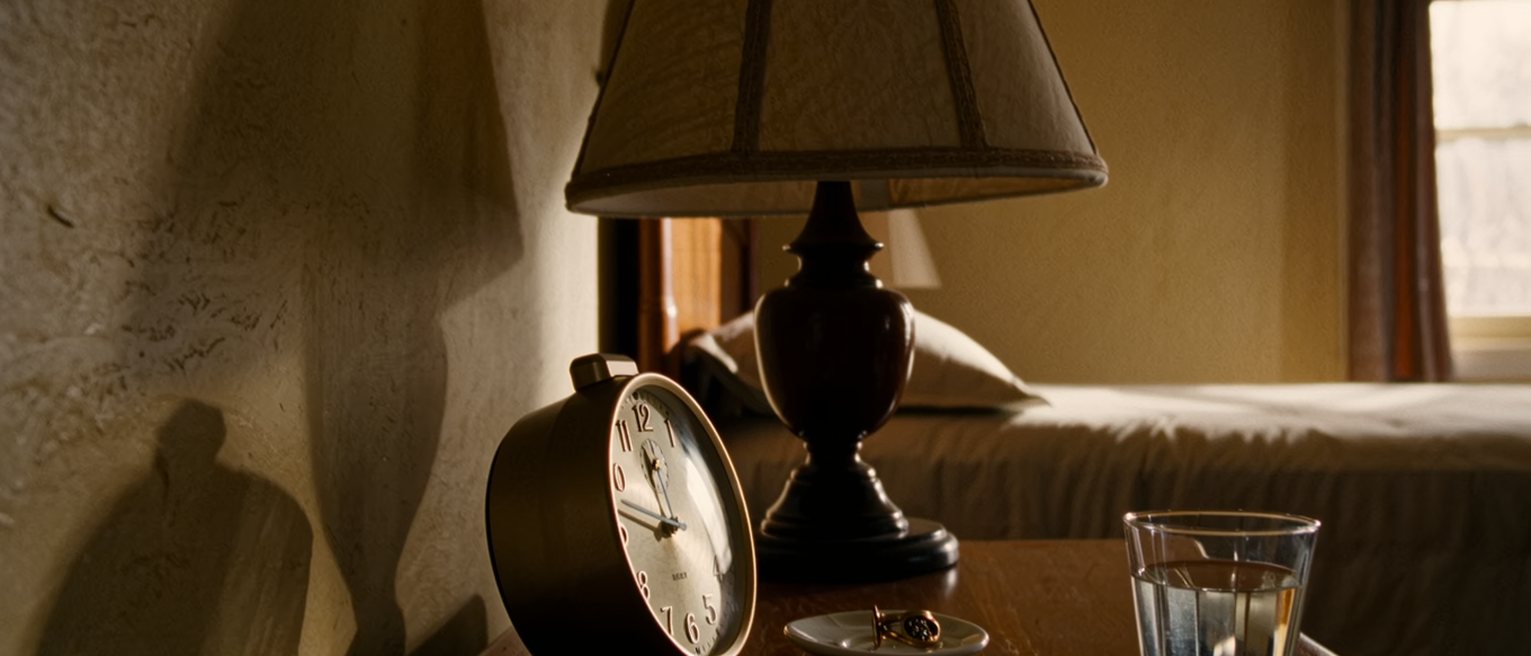
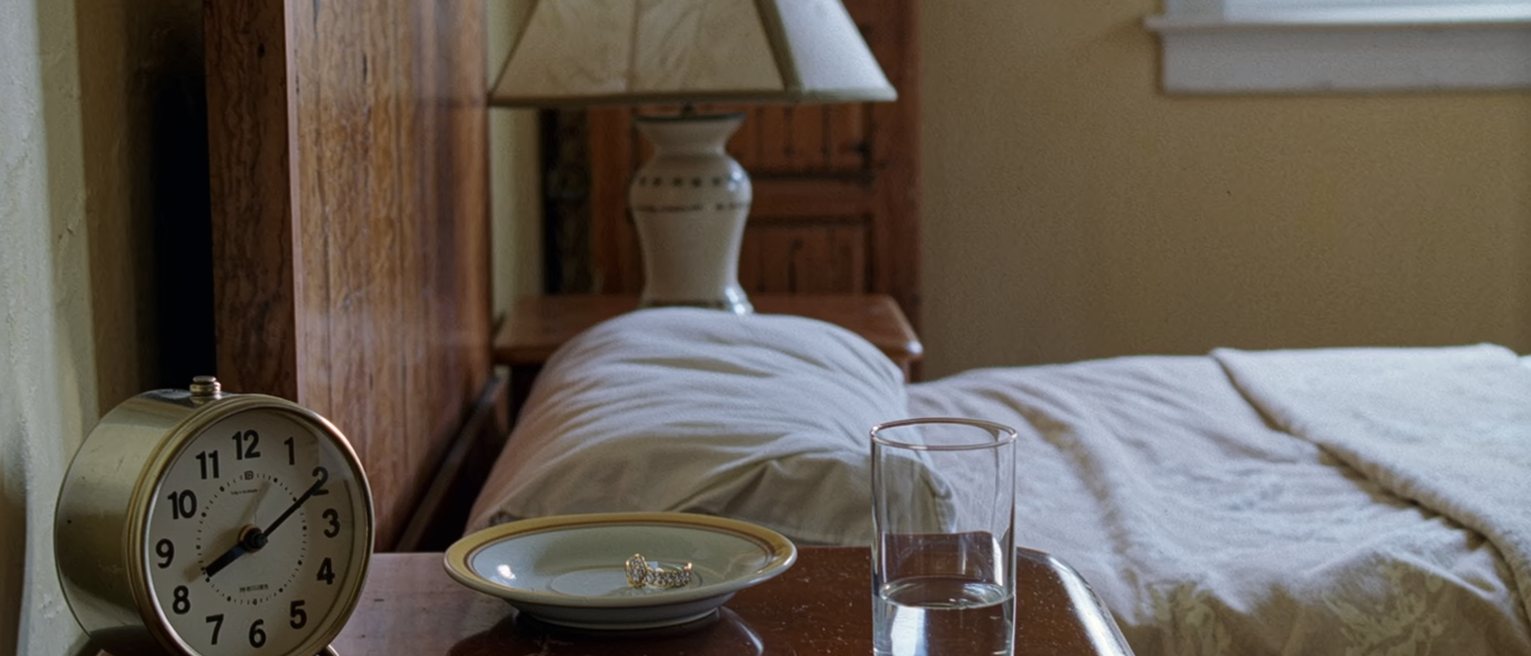
The third myth treats the duration as an output of self-knowledge. Decide what you are after; then choose the time that fits it.
This chamber has argued that nobody knows what they want by thinking about it, and that a first evening is the occasion on which the wanting gets found rather than the occasion on which a known want gets served. If that is right, the duration cannot be derived from the want, because the want is not yet available to derive it from.
What can be known in advance is the arrival cost, which is roughly the same for everybody and is the reason a first session should be long enough to get past it. What cannot be known is what will happen after, and the honest choice is a length that leaves room for something to happen rather than a length that fits a want she has not yet met.
The practical consequence is a relief rather than a burden. The duration decision is not a test of self-knowledge she might fail. It is a much smaller question: is this long enough to arrive and then have something occur, and does it end at a point that can be ended well.
The fourth myth: the clock is the enemy of intimacy
The fourth myth is romantic. Real closeness is timeless; anything with a fixed end is, by that fact, not the real thing; and choosing a duration is already a small betrayal of what she came for.
This chamber has found the opposite about limits generally: a stated boundary finishes the negotiation, so the present stops having to forecast the next moment, and the usable region of an encounter grows rather than shrinks when its edge is known. An end time is the clearest boundary of all. Both people know when it is, nobody has to wonder whether the other is about to leave, and everything inside it can be spent rather than held in reserve against an unknown.
The book seeded for this essay makes the same point in its own vocabulary, and this chamber has already reviewed it: a boundary is not a limit on closeness but what makes closeness selectable. An end time is a boundary that was selected in advance and agreed by both parties, which is more than most intimate encounters can say for any of their edges.
The romantic myth also gets the memory wrong. An experience with no ending has no end to be remembered by, and duration neglect says the end is most of what will be kept. The clock does not destroy the thing. It supplies the one part of it that memory is most likely to hold.
The fifth myth: leave it open and decide as you go
The fifth myth is the flexible one. Do not choose a duration at all; see how it goes; extend if it is good and stop if it is not.
This chamber has argued that consent is a live instrument reading, and nothing here contradicts that: whether to continue is always hers, moment by moment. But the duration is a different object from the consent. It is the one boundary that the arrival cost depends on being fixed, because a reader who does not know when the evening ends cannot stop forecasting it, and a reader who cannot stop forecasting has not arrived.
Leaving the end open also removes the ending. An evening that trails off, extends, is renegotiated at the point where it might have concluded, does not have a last few minutes that anybody designed. It has a fade. Duration neglect says the fade is what will be remembered.
So the flexibility is real but it belongs elsewhere — in what happens inside the time, which can change at any moment, and not in the edge of the time, which is what makes the inside usable.
The Japanese myth: time comes in courses
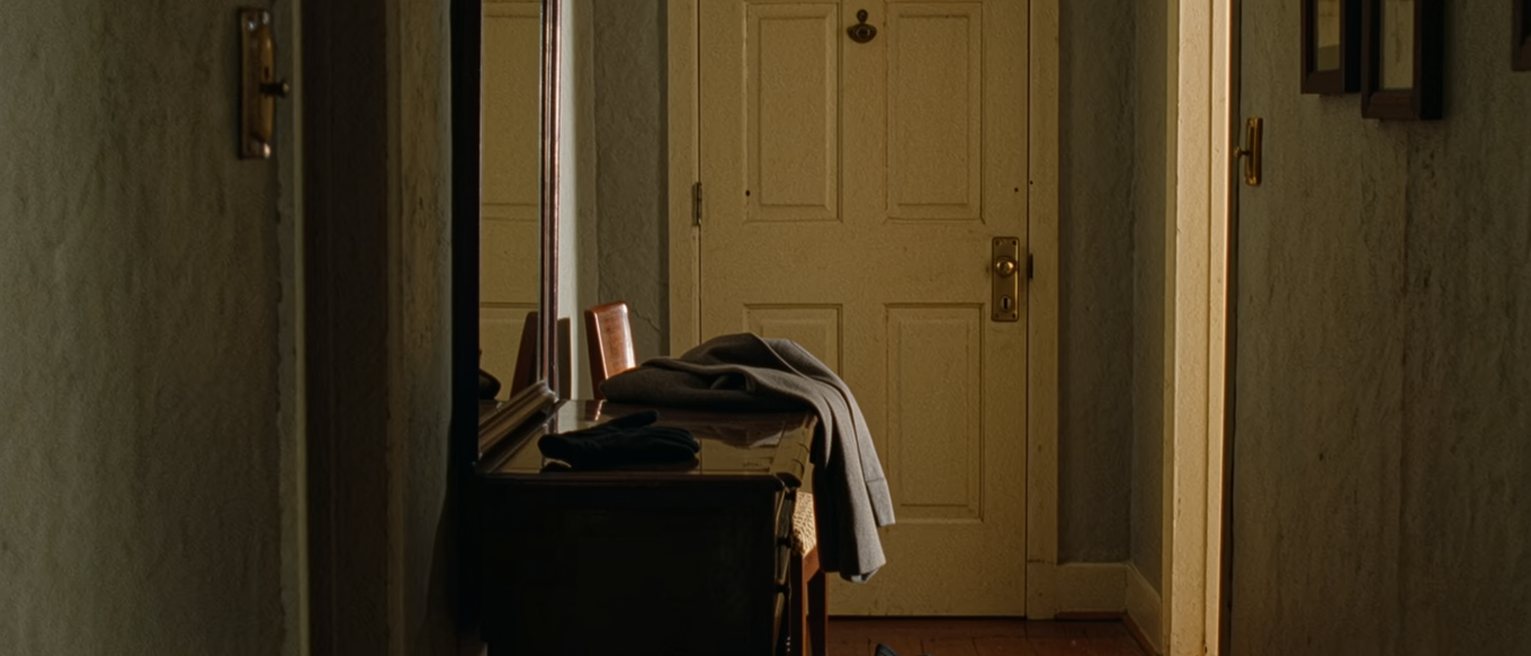
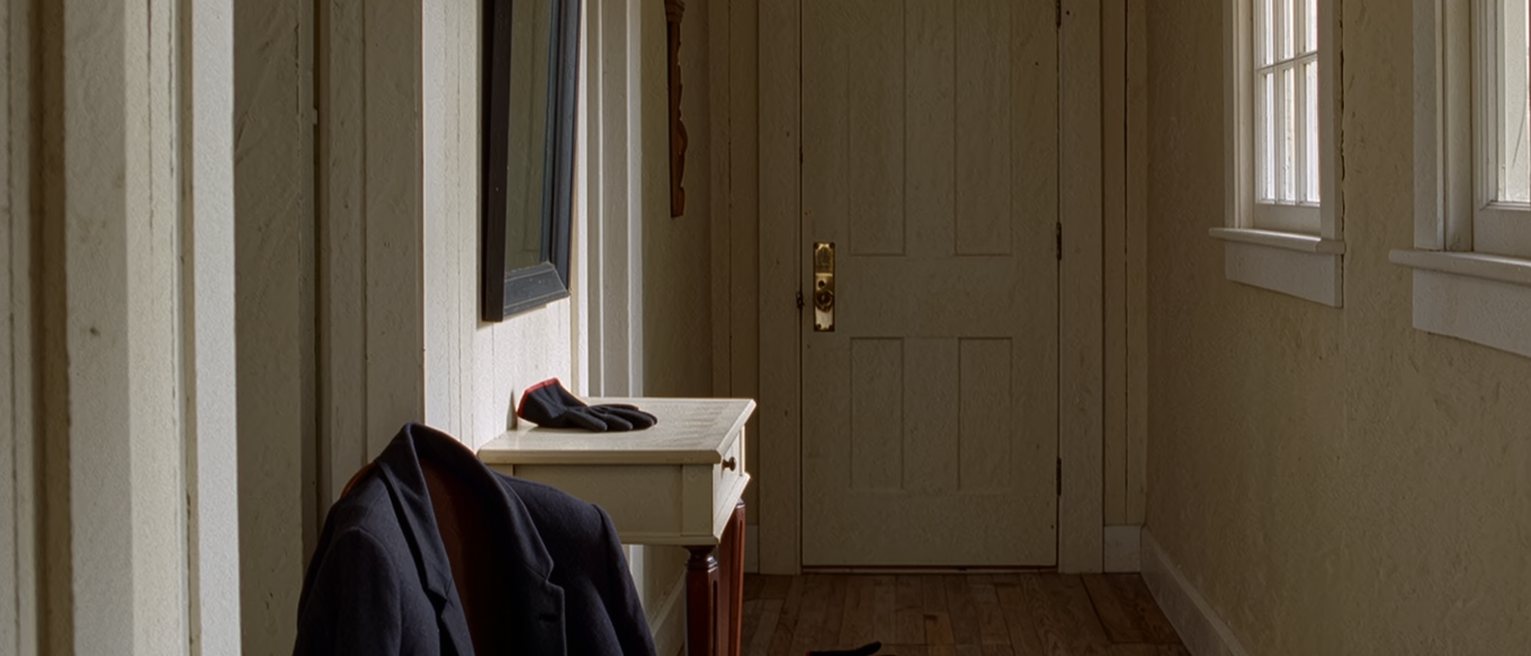
The Japanese version of the myth is inherited rather than chosen. The women-facing sector borrowed its menu from the male-facing one, and the male-facing one sells time in courses — fixed blocks, priced by the block, chosen from a board. This chamber has published on how much else the women-facing sector inherited and on what its vocabulary carries, and that is not rerun here.
What the course frame does to the duration decision is specific. It presents time as a unit of product — the same unit at every length, more of it costing more — and it makes the choice look like the choice of a portion size. Under that frame the reader is a customer at a counter selecting how much, and every myth above follows: shorter is cautious, longer is more, and the block is the thing being bought.
The frame is not wrong about how the transaction is priced. It is wrong about what is being consumed. A course of a meal is consumed at a rate; a course of attention is not, because the first part of it is spent arriving and the last part of it is most of what will be kept. The board is a pricing instrument that has been mistaken for a description of the experience, and a reader who chooses from it as though it were a description will choose by quantity, which is the one thing the evening is not.
A series about arousal that takes its time
The documentary series seeded for this essay is about pleasure, and one of its quieter contributions is a model of how arousal actually proceeds — not as a switch that is on or off, but as something that is often responsive rather than spontaneous, that begins from a willingness to be present rather than from an already-felt desire, and that unfolds over a course rather than arriving whole.
That model, which the series draws from clinical research, is the arrival cost seen from inside the body. If arousal is frequently responsive — if it follows from being in the situation rather than preceding it — then the first stretch of any encounter is the stretch in which nothing much is felt yet, not because anything is wrong but because that is the order in which the thing happens. A duration chosen without room for that order is chosen against the physiology.
The series is a popular production and simplifies the research it presents; its limits are recorded in the ledger. What it gets right, for the purpose here, is the shape: arrival first, then response, and the response cannot be scheduled to begin at the start of the block.
What helps, including the part that favours the author
Unlearning the myths does not produce a recommended duration, and an essay that named one would be back inside the quantity model. It produces a different way of reading the line on the form.
The first move is to read the duration as arrival cost plus remainder. The arrival cost is roughly fixed and is the reason a first session should not be the shortest available; the remainder is where anything happens, and the question is whether there is one.
The second is to attend to the ending rather than the length. Memory will keep the last minutes and discard the rest, so the question that actually matters is whether the evening concludes at a point where it can be concluded well, unhurried, with both people present for it.
The third is to hold the length fixed and everything inside it open. The edge is what makes the inside usable; the inside is where every moment-by-moment decision belongs.
And the fourth is the part that favours the author. This house sells time in blocks, longer blocks cost more, and a house in that position benefits from the second myth in the most direct way possible: every reader who believes that longer means more is a reader who books longer. Duration neglect is bad news for that business model, because it says the thing being priced by the block is the thing memory discards. So the obligations are these. Nothing published here may steer a first-time reader toward a longer block, and nothing may describe a longer session as containing more of what she came for; what a given length can contain is arrival plus remainder, and that is what copy may say. And the ending, which this essay has argued is most of what will be kept, is the part of the evening this house controls most completely — which makes it an obligation rather than a flourish. An evening that ends hurried, or ends because the block did, has failed regardless of what preceded it, and a reader who leaves remembering a good ending has received the whole of what the duration line was ever able to buy.
What this does not claim
This essay is not clinical, sexual-health or counselling guidance and describes no treatment. Where a reader’s difficulty with arousal, presence or time is a source of distress, the questions are clinical and this essay is not the relevant reading.
The findings on duration neglect and the peak-end rule are drawn from published research on retrospective evaluation, credited in the evidence ledger with their limits, including that the original studies concerned brief and largely unpleasant episodes and that the effect’s extension to long, pleasant, socially complex experiences is an inference. The model of responsive arousal is a clinical model and is credited as such. No figure, proportion, price or minute count appears anywhere in this essay.
The account of the course frame in the Japanese sector is a reading of a pricing convention and of what it does to the decision; it makes no claim about any business.
The section on this house states first that it sells time in blocks and benefits from the belief that longer means more, and records the obligations that follow: no steering toward longer blocks, no describing a longer session as containing more, copy limited to arrival plus remainder, and the ending treated as an obligation rather than a flourish.