Moonlight Journal
Love Did Not Leave the Marriage.She Was Renamed Inside It.
A marriage can be loving and sexless at the same time, and almost everyone reads the second as evidence about the first. It is not. Love and desire keep separate books. What usually happened in a loving marriage that went quiet is not that anything was withdrawn but that she was renamed — the day she became Mother in his mouth, the marriage acquired a rule about who may be wanted, and nobody in the house wrote it down. The way back is not more love, which was never short. It is a name that is hers.
The marriage is a good one. She would say so to anyone, and she would mean it. He is kind to her, he is present with the children, they laugh at the same things, and when something goes wrong in her family he is the person she wants in the room. And they have not touched each other as anything but family for longer than she says out loud, and when she lets herself think about it, the thought that arrives is not about sex. It is a question about love. If he loved her, would this be so? If she loved him, would she not want it?
This essay is written from her side, on the workbook row named for love and sexlessness, and it exists to take that question apart. The question assumes that desire is evidence about love — that a marriage which has gone quiet has, somewhere, a shortage of the other thing. This chamber has already published on what Japan’s formal count of sexlessness measures and hides, on why sexlessness is not a verdict, on how touch leaves before desire does, and on the face that has been working since morning. Those are credited and not restated. What this essay adds is one observation about what usually happened in the loving marriage that went quiet, and it is not that anything was withdrawn.
She was renamed. Somewhere between the first child and now, she stopped being the person he wanted and became the person who runs the house he wants to live in, and the change was made in the most ordinary way possible: in what he calls her. The marriage acquired, without either of them deciding it, a rule about who may be desired in it. Love was never short. A name was.
Two books
The book seeded for this essay is a therapist’s account of affairs, and its most disruptive finding for the woman above is this: a large share of the people who stray describe their marriages as happy. Not as a cover story, and not as a delusion; as the plain truth of a marriage in which they are loved, in which they love, and in which they have not been wanted as a body in years. The affair, in those accounts, is not a search for a better love. It is a search for the thing that was filed under a different heading and then lost.
The book’s underlying claim, which it shares with the therapist’s earlier work this chamber has already reviewed, is that love and desire are not one quantity in two forms. They are two systems with different needs. Love wants closeness, safety, knowing, care. Desire wants distance, a little risk, otherness, the sense that the person across the table is not fully one’s own. A marriage that is very good at the first will, by the same excellence, tend to starve the second, and the couple will experience the result as a mystery, because they are looking at the wrong ledger.
For the woman in this essay, the two-book account does something specific. It removes the inference. Her marriage’s silence is not a fact about how much she is loved or how much she loves. It is a fact about a second system that has not been fed, and the reason it has not been fed is not a shortage in the first. Once that inference is gone, the question changes from whether the love is real, which it is, to what happened to the other book, and that is a question with an answer.
A journal read by the wrong person
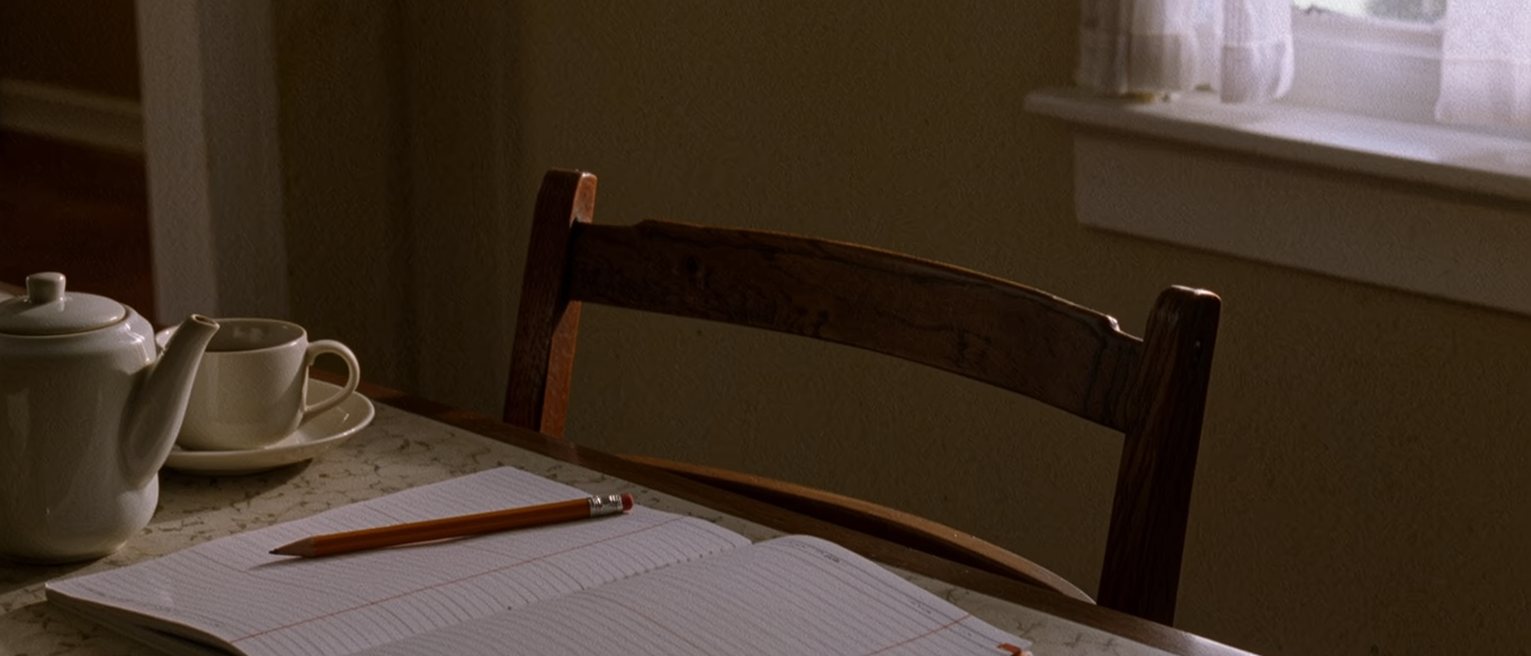
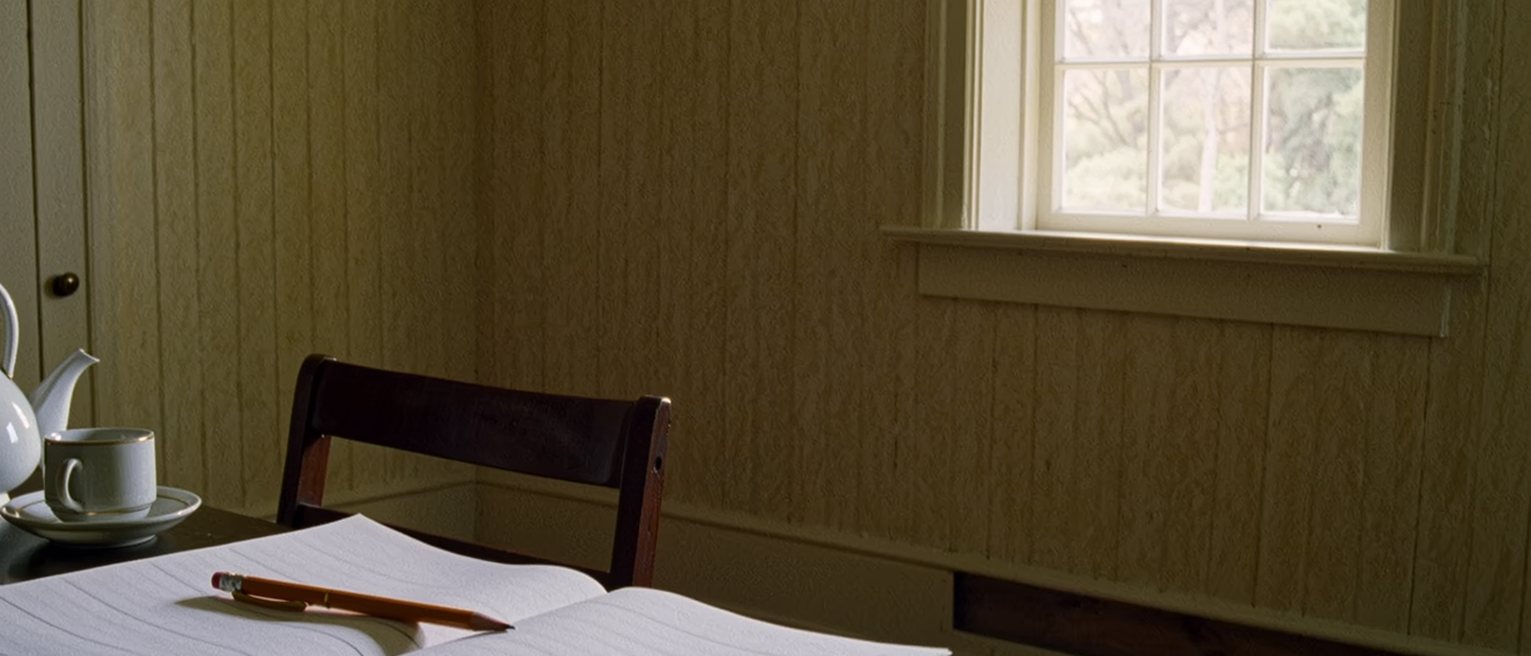
The programme seeded for this essay is built on one device. A wife and mother of two keeps a journal in which she writes, in detail, about the man she was with before her husband, and about the woman she was with him. Her husband finds it and reads it. The programme’s first and best idea is what he does next: he does not confront her, he tries to become the journal. He performs, at home, the things she wrote about. And it does not work, and the programme is honest enough to show that it does not, before it loses its nerve and becomes something else.
The reason it does not work is the reason this essay exists. Her desire, in the journal, is intact. It is specific, articulate, in the present tense on the page and in the past tense in her life. What she does not have is a marriage with a tense for it — a grammar in which the woman who wrote those pages and the woman who packs the lunches are the same person, wanted as one. Her husband, reading the journal, concludes that she wants what is in it. She does not, exactly. She wants to be the person who could have written it, in the house where she lives now, in front of the man who lives there.
A desire is not a document. It cannot be read and then performed by someone who has decided to be its object. The husband’s error is a loving one, and it is the same error as the question at the top of this essay: he treats the second book as if it could be balanced from the first, with effort and attention and care. Those are the currencies of love. The other ledger does not accept them, and the programme’s wife is, for its first few hours, the clearest picture on television of a woman being paid in the wrong currency by a man who loves her.
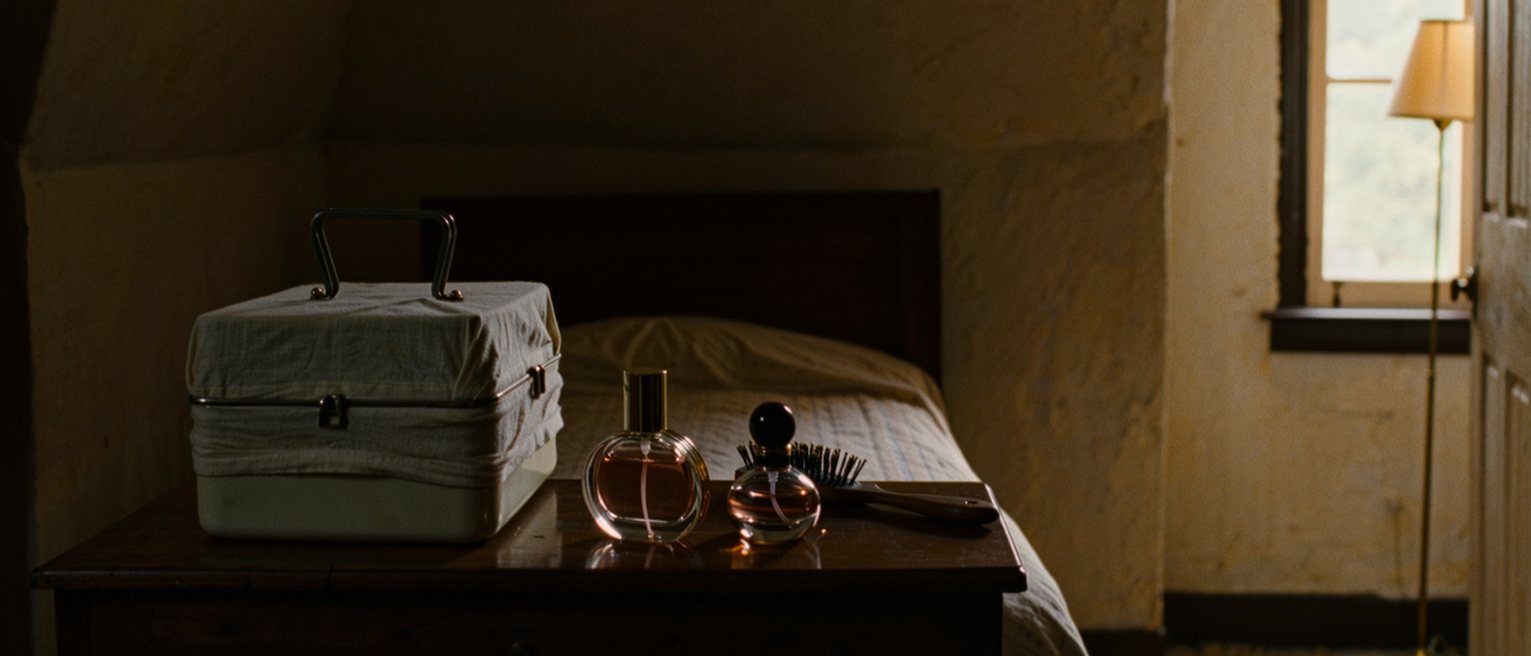
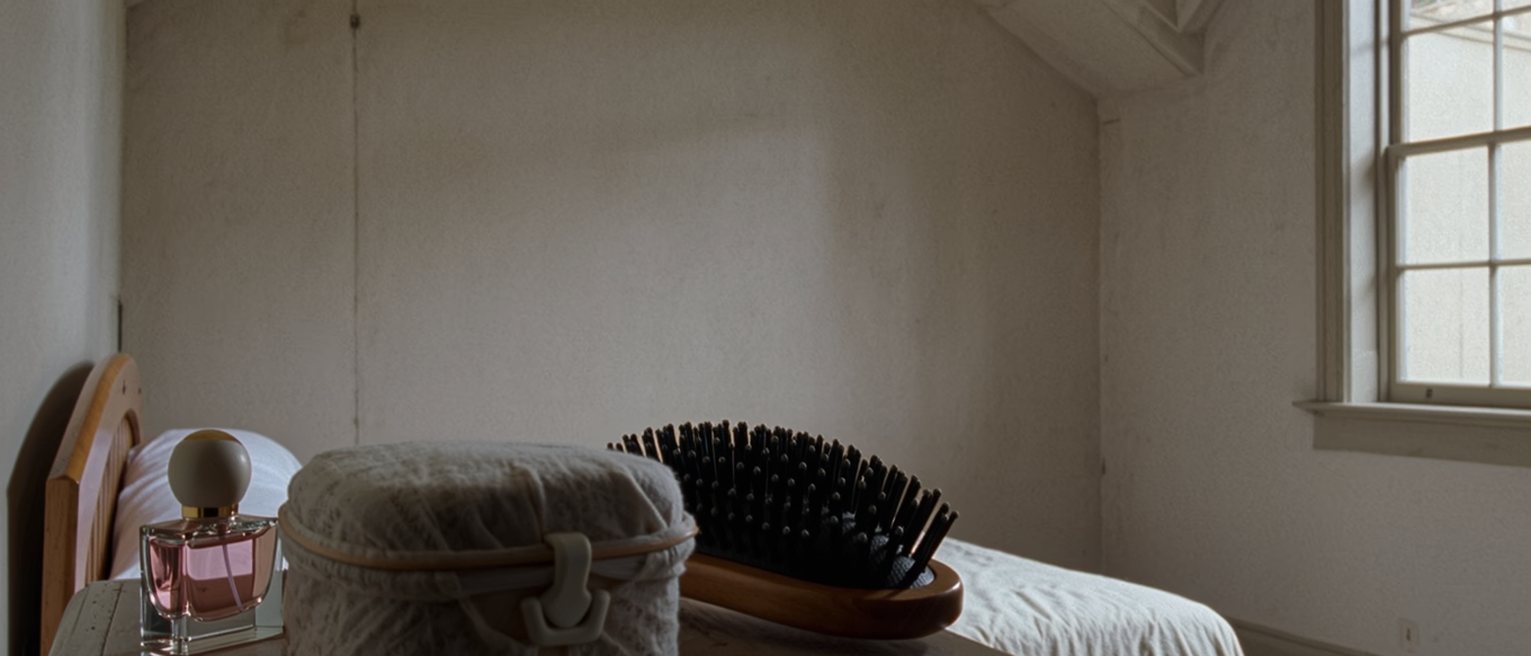
The day she became Mother
In this country it is ordinary, once there are children, for a husband to address his wife as Mother and for her to address him as Father. Not in front of the children only; between themselves, in the kitchen, in bed, on the phone. The practice is old and it is affectionate and it is not confined to this country, but here it is common enough to be unremarkable, and that is what makes it worth remarking on. A woman can go years without being called by her name inside her own home.
This essay makes no claim about what the practice does in general or about the people who use it. It observes only what it makes audible. The therapist whose books seed this chamber has written about the mother-and-lover split — the way a man may find it hard to desire the woman who is also the mother of his children, because the two roles sit in different rooms of him and one room has a rule about the other. Most couples experience that split as something that happened to them silently. In a house where he calls her Mother, it did not happen silently. It was said, every day, in the most tender voice he has.
That is the renaming. It is not a withdrawal of love; it is often the opposite, the sound of a man who loves the family she made. But a name is a rule about what a person is for, and a woman who is addressed as Mother by the one adult in her house has been told, without anyone deciding it, which of her two books is open. She may feel loved, and be loved, and be right that she is, and still have not been spoken to as a woman by her husband in years. The count that names her marriage sexless is measuring the effect. This is the cause, or one of them, and it is a sentence long.
A body that belongs to the household
This chamber has argued that in most couples who stopped touching, the touch went first and the wanting followed, and that the face has been working since morning. Both of those are true of the woman in this essay, and this section adds only the mechanism by which they became true of her specifically. Her body, in the years of small children, was reassigned. It became the household’s: the thing that is climbed on, reached for, leaned against, fed from, woken. Every touch it received was a demand, and she met the demands, and by the time the children were old enough to stop, her body had learned that touch is service.
A body that has learned that cannot easily be touched by her husband as anything else, because the channel has been merged. His hand on her arrives as one more thing the household wants from her, and she declines it the way she would decline any further demand at the end of a day of them — not from the second book, which has not been consulted, but from exhaustion, which is a fact about the first. And he reads the declining as evidence about desire, and she reads his reading as evidence about love, and the inference runs both ways until the silence is explained by a story that is wrong in both directions.
The therapist’s account has a phrase for the couples this produces, and it is not a cruel one: they are sexless out of love. They have protected the safe thing from the risky thing. Tenderness, she argues, inhibits; the more careful two people are with each other, the less either can want the other with the carelessness desire requires. A loving marriage is not sexless despite the love. It is often sexless because of the shape the love took, and that is a shape, not a shortage.
A name that is hers
If the renaming is the mechanism, the way back is not more love, which was never short, and not more effort, which pays in the wrong currency. It is a name that is hers. That sounds too small to be an answer, and it is small, and it is where a couple can actually begin, because the name is the one thing in the marriage that both of them can change on a Tuesday without a conversation about the marriage.
It means, practically, that he calls her by her name, and that she asks him to if he has stopped. It means that some part of the week exists in which she is addressed as the woman he married rather than as the office that runs his home. This chamber argued last time that the conversation leaves a marriage when the two become each other’s archive, and that closeness is made of the not-yet-known; the rename is the archive’s label. Changing the label does not empty the archive. It reopens the question of which book is on the table.
It also means something she can do alone, before and apart from him. She can be addressed as a woman by someone who has no claim on her as Mother — a friend who knew her before, a room in which nobody has ever needed anything from her body, an arrangement whose whole design is that she is spoken to by her name. That does not repair the marriage, and this essay does not say it does. It is a reminder, in the body and not in the mind, that the second book exists and is hers, which is the thing the years of being called Mother had quietly filed away.
What she owes nobody
A woman in a loving sexless marriage is often the one who ends up blamed, including by herself. She is the one who declined; she is the one who does not want; she is, in the story the count tells, the withholding party. This essay has argued that nothing was withheld, and it is worth being explicit about what follows from that. She does not owe her marriage an explanation for a silence she did not author. She does not owe her husband desire on demand, in a currency that cannot be demanded. And she does not owe anyone the conclusion that a marriage without sex is a marriage without love, because that conclusion reads one book by the light of the other and is simply wrong.
What she may owe herself is the second book: the acknowledgement that it exists, that it was hers before it was filed under Mother, and that its being closed is a fact about a name and a shape and not a fact about her. Some women, reading that, will decide to reopen it inside the marriage, one address at a time. Some will decide it is enough to know it is there. Some will decide the marriage is what it is and will want the book opened somewhere it can be, within terms they choose. None of those is the wrong reading. The wrong reading is the one she started with, that the quiet was a verdict on the love.
No marriage is told here to continue, change or end. The essay’s only instruction, if it has one, is to the inference: to stop letting the second ledger testify about the first. The love is real. The silence is a name. They are not the same fact, and a woman who has been carrying them as one has been carrying more than the marriage ever asked.
What the house sells, and what it owes
It should be said first that this house sells the thing the previous section named: an evening in which a woman is addressed as a woman by someone who has no claim on her as Mother, wife or the office that runs a home. That is precisely what the renamed woman is missing, and a house that sells it has an interest in the renaming. The more thoroughly a marriage has filed her under Mother, the more exactly the house’s offering fits the gap, and a house in that position has a standing reason to leave the marriage’s grammar as it found it — to be the only place she has a name.
So the obligations are recorded. The house does not describe any evening as a substitute for being addressed as a woman by her husband, and where she says that is what she is missing, the house says so back and does not redirect it toward itself. The two-book account is offered as a way of reading her marriage, not as a diagnosis of it, and no evening is described as a treatment for a sexless marriage or as evidence that the marriage is failing. The house does not take a side on whether the book should be reopened at home, elsewhere, or not at all; that is her decision, made in her terms, and the house’s terms are visible so that it can be.
The house also owes her the thing this essay has argued, said without a sales case attached. The love in her marriage was never short. What went quiet was a second book, closed by a name that was given in tenderness, and the fact that it was closed is not a verdict on her, on him, or on the love. An evening here can address her by her name for a few hours. It cannot rename her at home, and it does not claim to; the only two people who can do that live there, and one of them is her.
What this essay does not claim
This essay is not couples therapy or sexual-health guidance and describes no treatment. Where a marriage’s silence sits alongside pain, illness, medication, coercion or a change she cannot account for, the question is clinical or a matter of safety and this essay is not the reading that applies. The Experiences discussed are offered within a stated non-medical scope, and nothing here extends it.
The book seed is a therapist’s account drawn from practice, and its two claims used here — that affairs frequently occur in marriages their participants call happy, and that tenderness inhibits desire — are reported at the level of that account; no figure is given and none is implied. The programme is read as a programme, for its first device and what it shows, and nothing is claimed about its makers or performers. The spousal use of Mother and Father as address is read as ordinary usage made audible, with no claim about what the practice does in general, about the people who use it, or about national character. Japan’s formal count of sexlessness is credited to this Library’s earlier essay and not restated. This Library’s essays on the count, on the verdict, on touch leaving first, on the working face and on the archive are credited and not repeated.
The section on the house states first that the house sells being addressed as a woman and therefore has an interest in the renaming, and then records the obligations: no evening is a substitute for her husband’s address or a treatment for the marriage, the two-book account is a reading and not a diagnosis, the house takes no side on where the book is reopened, and the house cannot rename her at home and says so. Nothing is promised. The love was never short; that is the one claim the essay makes without qualification, and it is hers to keep.